
Flip Discontinued Cosmetic Products for Profit in 2026
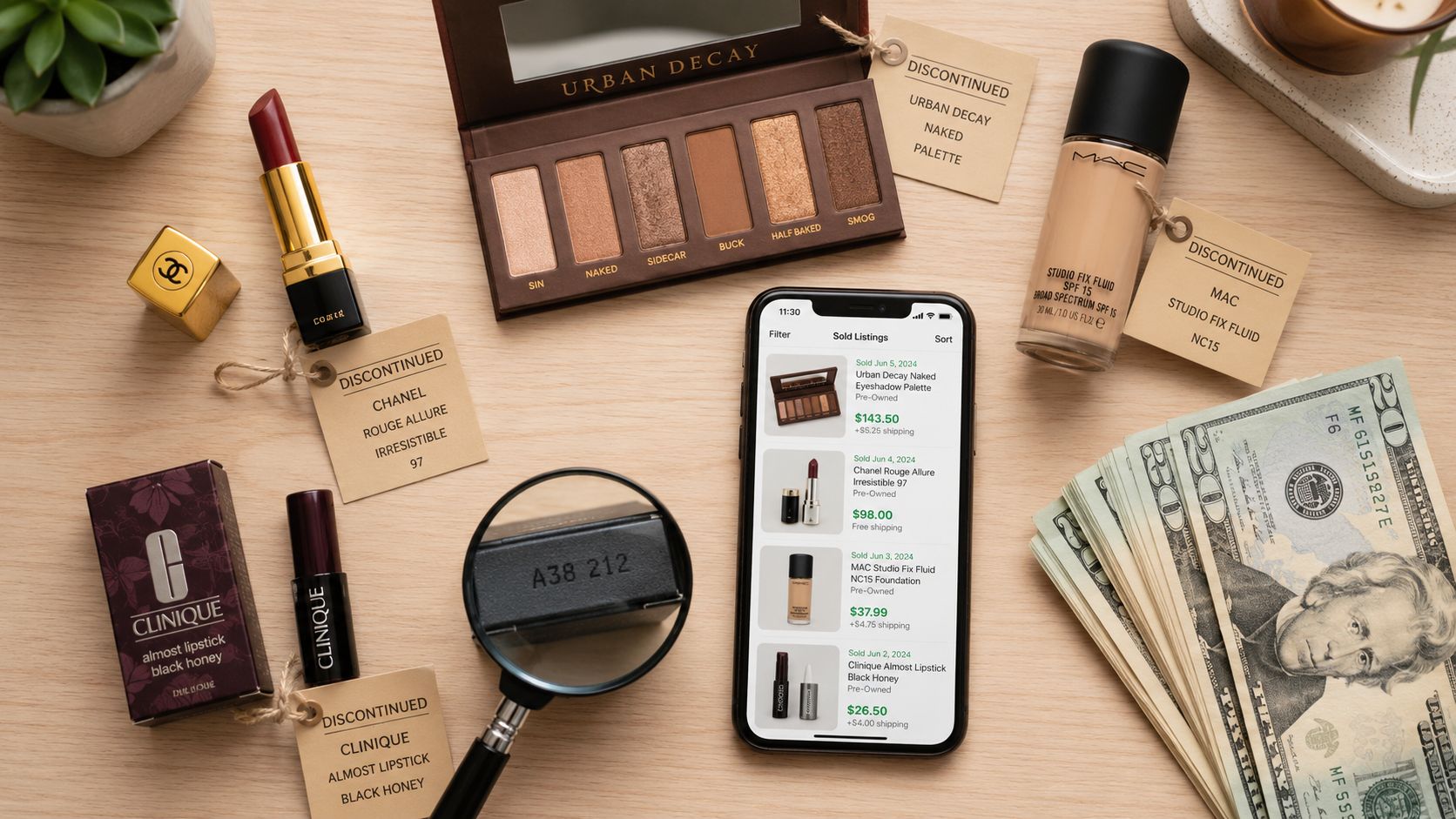
You find a sealed palette in a thrift case, or a boxed lip liner at an estate sale, and the brand name hits immediately. It's something people still search for, still miss, and still complain about online because the replacement never matched the original. That's the moment discontinued cosmetics stop being just beauty products and start looking like inventory.
The catch is that this niche punishes lazy buying. A discontinued lipstick can be a great flip, or it can be old stock with separation, a tampered seal, or a formula you can't confidently verify. The buyers who pay up for original versions care about authenticity. The buyers who come back care about trust. If you want repeatable profit with discontinued cosmetic products, safety and verification have to sit inside your sourcing process, not after it.
Table of Contents
- The Thrill of the Discontinued Find
- Why Coveted Cosmetics Get Discontinued
- Where to Source Discontinued Beauty Products
- How to Evaluate Condition Authenticity and Safety
- Pricing Discontinued Cosmetics for Maximum Profit
- Your In-Field Discontinued Cosmetics Sourcing Checklist
- Building Your Niche in the Beauty Aftermarket
The Thrill of the Discontinued Find
Every reseller in this lane knows the feeling. You spot a familiar compact, an old tube design, or a limited-edition box pattern that hasn't been on shelves in years, and you already know somebody still wants it.
That demand is emotional, but the business around it has to be clinical. Buyers don't chase discontinued cosmetic products because they need any blush or any eyeliner. They want the exact version they used before, the original shade, the old formula, the packaging from a specific launch, or the product a brand discontinued and replaced with something weaker.
That's why this niche works. Generic beauty inventory competes on abundance. Discontinued inventory competes on memory, rarity, and specificity.
The buyer is usually looking for one exact thing
A shopper searching for a retired palette usually isn't browsing casually. They're trying to replace a favorite, complete a collection, or get the original formula before a reformulation changed texture, wear, or color. That makes discontinued products easier to position when you identify them correctly.
What I've seen over and over is simple: broad beauty knowledge helps, but sharp product recognition makes the money. You don't need to know every serum trend. You need to recognize that an older component, shade sticker, batch code format, or carton style can separate a valuable original from a low-interest replacement.
Practical rule: In this niche, “looks close enough” is how resellers buy problem inventory.
Treasure hunt energy is real, but process wins
The fun part is the hunt. The profitable part is what happens in the next few minutes.
When I evaluate discontinued cosmetic products in the field, I don't ask only, “Can this sell?” I ask:
- Is it authentic enough to defend in a listing?
- Is the condition strong enough to survive buyer scrutiny?
- Is the safety risk low enough that I'd be comfortable standing behind the sale?
- Can I describe the exact version clearly enough to avoid returns?
That mindset changes what you buy. It also keeps you out of the worst traps in this category, especially products that look collectible but are too old, too compromised, or too hard to verify.
The resellers who last in beauty don't just find discontinued items. They build a repeatable filter. That filter is what turns nostalgia into margin.
Why Coveted Cosmetics Get Discontinued
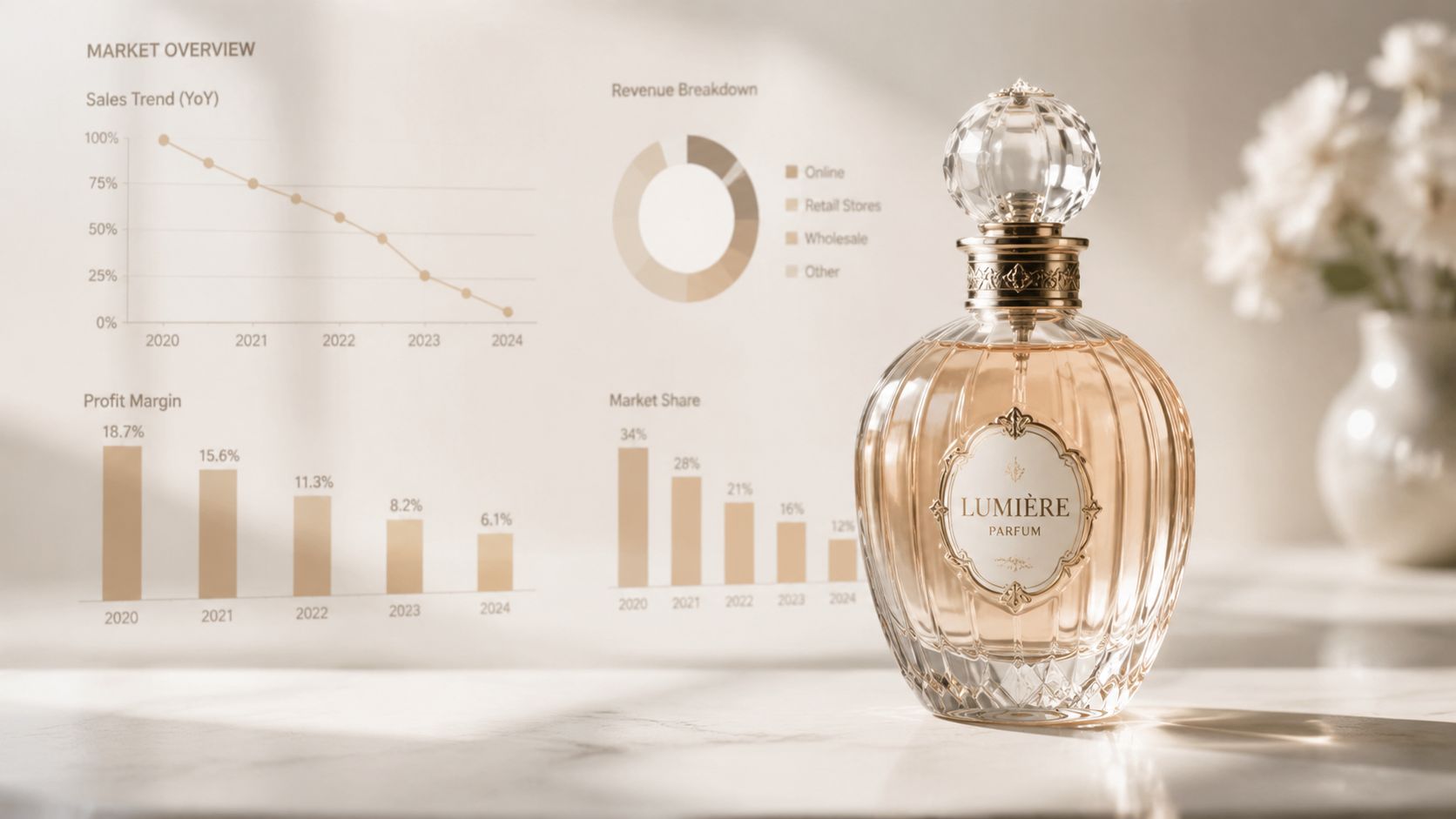
A lot of newer resellers assume a discontinued product failed. That's often wrong. Plenty of sought-after lines disappear because a parent company changes direction, not because buyers stopped caring.
According to a roundup of discontinued beauty brands at Digital Commonplace Book, Victoria's Secret stopped selling its full makeup collection in 2014 to focus on lingerie, swimwear, and pajamas. Versace closed its makeup line in 2009, after launching it in 1998, to prioritize fashion, and the brand officially ended in 2018. Tokidoki discontinued its makeup line in 2012 despite a strong fan base that had followed it since 2006. Becca Cosmetics closed in 2021, with the company stating that the pandemic hurt sales.
Strategic exits create scarcity
That matters because scarcity created by strategy behaves differently from scarcity created by failure.
When a retailer or fashion house exits beauty, leftover demand often sticks around. Fans still remember signature shades, collectors still want original packaging, and some buyers actively avoid newer replacements. That's the pocket where discontinued cosmetic products can hold value.
There are a few patterns worth watching:
- Brand category refocus: A company cuts beauty to concentrate on its strongest line.
- Licensing or ownership changes: Packaging and formulas shift, and buyers begin chasing the earlier version.
- Cult-following orphaned by closure: A product line keeps fans even after the company moves on.
- External shocks: Events like COVID-19 can end lines that might otherwise have stayed alive.
What usually becomes collectible
Not every retired cosmetic product deserves shelf space in your inventory. The ones that get buyer attention usually have one or more of these traits:
| Product type | Why buyers care |
|---|---|
| Original formulas | Buyers think the replacement performs differently |
| Distinct packaging eras | Collectors and repeat users want the exact release |
| Limited editions | Restocks don't happen, so the secondary market carries demand |
| Brand-defining shades | People remember a specific color name or finish |
The big takeaway is practical. Don't treat discontinuation as a random event. Treat it as a clue. If a line disappeared because a company changed priorities, demand may still be alive long after retail stock is gone.
Some of the best discontinued inventory comes from products that lost shelf space, not relevance.
That distinction helps you source smarter. You're not just chasing old makeup. You're looking for products where the reason for discontinuation left demand behind.
Where to Source Discontinued Beauty Products
The best places to find discontinued cosmetic products aren't always the flashiest ones. You'll source some online, some in person, and some through channels where beauty inventory shows up mixed into broader household liquidation.
One market reality shapes all of this. The cosmetics industry loses inventory before buyers ever see it. Statista's cosmetics industry overview notes that approximately 4% of beauty stock is disposed of because it perishes, spoils, or gets damaged before reaching consumers, and around 2% is intentionally thrown away. That's one reason certain discontinued items become hard to replace. A chunk of stock never even reaches the resale ecosystem.
Online marketplaces
Online is efficient if you know how to search by version, not just by product name.
eBay, Poshmark, Mercari, and collector-heavy beauty corners work best when you search with combinations like brand + shade + old packaging term + “discontinued” + “sealed.” Search saved photos too. Packaging recognition often surfaces listings that bad titles miss.
Use online sourcing for:
- Replacement inventory: When you've already sold one and know demand exists.
- Niche colorways: Shades that rarely appear locally.
- Bundled lots: Mixed beauty lots where one retired item carries the purchase.
- Research-first buying: You can compare photos, components, and seller language before committing.
For broader sourcing workflows around retired inventory, this guide on finding discontinued products online is useful for building a repeatable search routine.
Offline sourcing
Thrift stores, estate sales, flea markets, and cosmetic outlet leftovers can be better than online because fewer people know what they're holding. You also get immediate condition checks, which matters more in beauty than in many other categories.
Offline sourcing usually gives you:
- Lower competition: Fewer buyers understand old cosmetic packaging.
- Better margins: Local sellers often price beauty by category, not by exact item.
- Faster rejection: You can pass instantly if seals, labels, or storage conditions look off.
Estate sales are especially good when cosmetics come from a single vanity or dressing area. That setup can reveal whether the owner stored products carefully or tossed everything into a humid bathroom drawer. Storage clues matter.
What works and what wastes time
A lot of resellers waste hours hunting every beauty section they see. I'd tighten that up.
What tends to work:
- Target premium and cult brands first: Recognition speed matters.
- Check boxed items before loose ones: Packaging gives you faster verification.
- Buy within your knowledge lane: If you know lip products better than complexion products, stay there.
- Look for complete presentation: Outer box, insert, shade label, and batch code all help listings later.
What usually doesn't work:
- Digging through heavily used testers
- Buying anything with product leakage
- Assuming all sealed inventory is safe
- Treating dusty stock as vintage value
A discontinued item is only inventory if you can verify it, describe it accurately, and sell it without creating a customer service problem.
How to Evaluate Condition Authenticity and Safety
Here, beauty reselling gets serious. Most bad buys in discontinued cosmetic products don't happen because the item had no demand. They happen because the reseller skipped verification and bought on brand recognition alone.
The FDA warning is the right baseline here. In coverage from ABC30 about discontinued beauty products, the agency warns that internet-resold cosmetics may be past shelf life, diluted, or counterfeit. That's the blind spot in this category. A lot of guides focus on where to find old products and barely touch whether they're still viable.
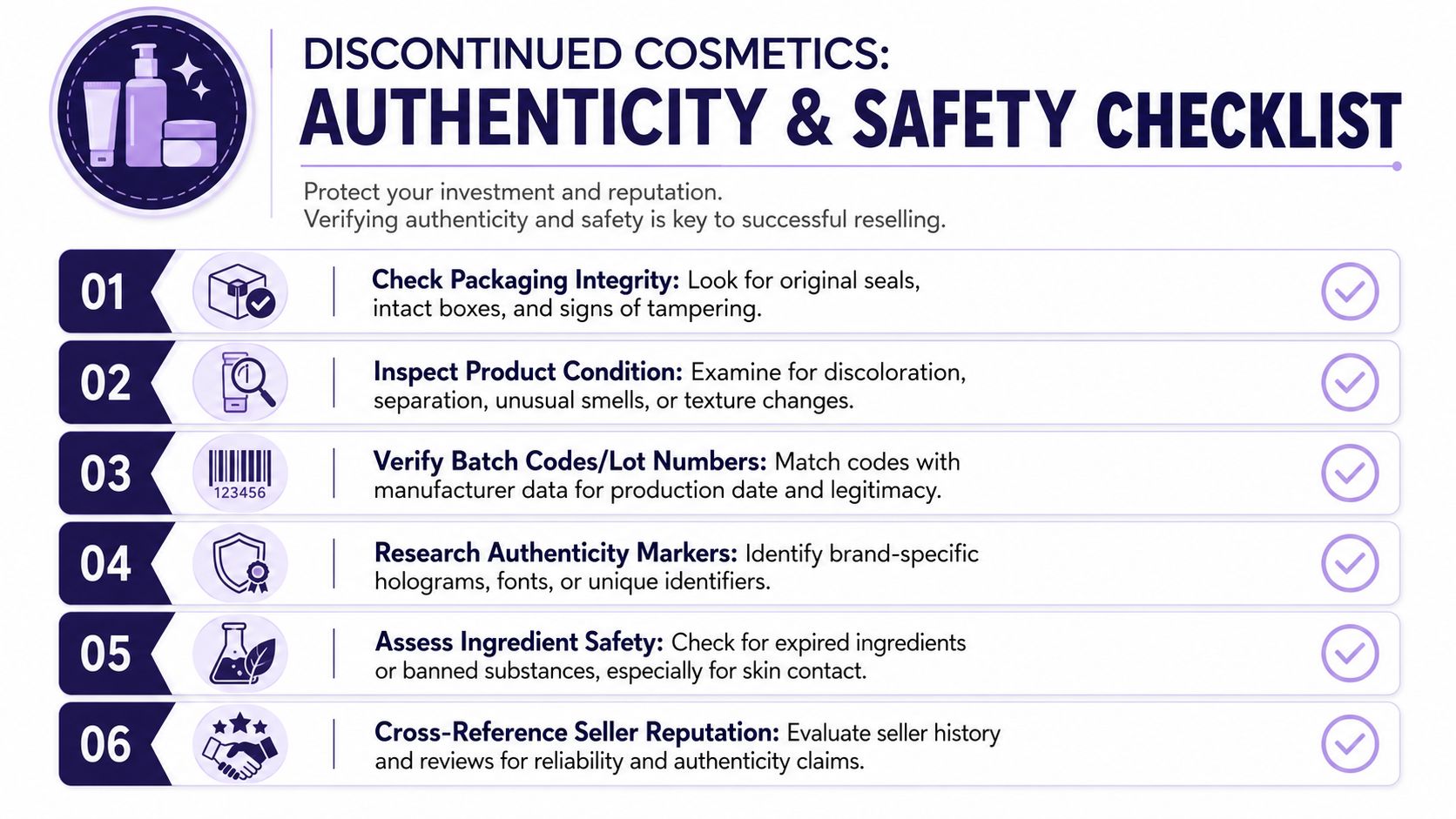
Start with the package not the product
The outer packaging tells you more, faster, and with less contamination risk.
Check these first:
- Seal condition: Look for broken shrink wrap, lifted stickers, resealed flaps, or glue residue.
- Box integrity: Crushed corners can mean rough storage. That alone may not kill a buy, but it changes value.
- Label consistency: Shade names, font weight, spacing, and sticker placement should match known examples.
- Batch or lot marking: If you can't find one, slow down. Missing identifiers make later verification harder.
If a seller pushes you to open a sealed item so you can inspect the product itself, that usually kills the premium and may create a new problem. For sealed inventory, package-level confidence matters.
If you can't explain why you believe a beauty item is authentic, you're not ready to list it.
Use a safety first inspection flow
After packaging, move to a simple sequence. Don't improvise. Cosmetics are too easy to misjudge when you're rushing.
Verify version
Confirm the exact release. Check component color, box art, old logos, and shade naming format. Many discontinued products were replaced by similar-looking versions.Check age clues
Use batch code and lot number information where possible. If the product lacks basic traceable identifiers, assume your listing confidence just dropped.Inspect physical condition
Look for separation, sweating, crumbling, hard pan, color shift, unusual odor, oil bleed, warped bullets, or product pulling away from the container wall.Review ingredients and texture cues
If you have an original box, compare ingredient panels against known versions when the item is high value. Texture and ingredient comparisons help when barcode lookup fails or newer reformulations muddy the trail. For pricing research tied to actual sold data, I like checking how to find sold prices on eBay because active listings alone don't tell you whether buyers paid for the same version.Evaluate seller context
A clean vanity lot is different from random mixed stock in poor storage. Source context isn't proof, but it does influence risk.
Know when to walk away
Some products are just bad resale candidates, even if they're rare.
Pass on items with:
- Visible contamination
- Leaking or dried-out formulas
- Signs of prior use unless your business model clearly allows and discloses that
- Packaging mismatches you can't explain
- No clear way to identify the exact version
I'd also be stricter with eye products, cream products, and anything that shows obvious age stress. Profit disappears fast when one bad beauty sale triggers a return, a complaint, or damage to your reputation.
Your edge in this niche isn't just finding rare products. It's filtering aggressively enough that buyers trust your judgment.
Pricing Discontinued Cosmetics for Maximum Profit
Pricing discontinued cosmetic products goes wrong when resellers compare the wrong thing. They price against a current version, an unsold listing, or a vague “similar item” and end up either overpaying or listing too high with no sale.
The version match has to be exact. A changed logo, a reformulated liner, or a replacement compact can split one product family into two separate markets.
According to a video discussion on the secondary market for retired makeup at YouTube, discontinued makeup often stays available on platforms like eBay and Poshmark for 12 to 24 months after discontinuation, often at 30% to 50% above current retail equivalents. The same source also notes that missing UPCs and reformulated replacements make barcode-based assumptions unreliable, so batch code checks and texture or ingredient comparisons matter.
Price the exact version not the closest match
A buyer paying up for an original formula won't treat a later reformulation as interchangeable. Your comp set should match:
- same brand
- same product line
- same shade
- same packaging era
- same condition state
- same seal status if possible
That sounds obvious, but it's where most margin leaks. If your comp pulls in both the original and the replacement version, your average gets distorted immediately.
Build your pricing stack
I use a three-layer approach.
First, check sold comps, not wishful active listings. Then compare condition tiers. After that, subtract all the boring costs before you decide what the product is worth to you.
For a cleaner workflow on setting resale prices from actual market evidence, this guide on how to price items for resale lays out the right sequence.
Active listings show hope. Sold listings show what buyers accepted.
A simple pricing table
| Checkpoint | What to ask |
|---|---|
| Version match | Is this the exact original buyers are chasing? |
| Condition tier | Sealed, boxed, open box, swatched, or used? |
| Listing quality | Can you prove authenticity with photos and identifiers? |
| Buyer risk | Will a cautious buyer hesitate because of age or storage clues? |
| Net outcome | After platform fees, shipping, packing, and returns risk, is there still room? |
A few practical notes make a big difference:
- Sealed and boxed usually wins: It gives buyers confidence and gives you stronger listing photos.
- Open box needs tighter documentation: Photograph seals, batch code, inside tray, and close-ups of the actual product.
- Used inventory is a separate business: Don't drift into it casually.
- Rare doesn't equal liquid: A product can be hard to find and still move slowly.
The best pricing in this niche is conservative on the buy and precise on the list. If the comp range depends on perfect confidence and your item only deserves partial confidence, buy lower or leave it.
Your In-Field Discontinued Cosmetics Sourcing Checklist
When you're in a thrift aisle or crowded estate sale, you don't need theory. You need a fast screen that keeps you from buying dead stock dressed up as opportunity.
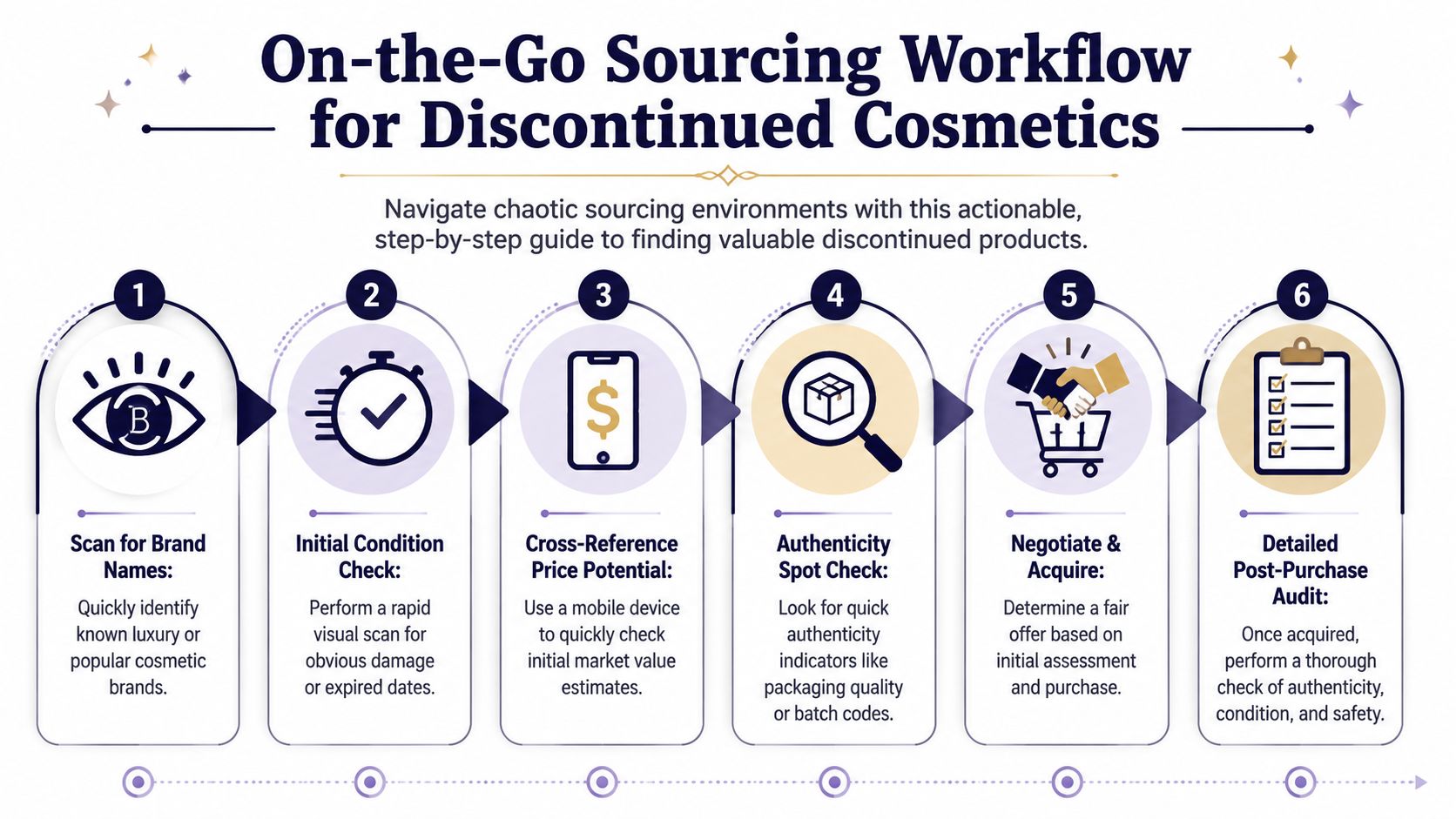
The fast buy or pass sequence
Run this in order. If one step fails hard, stop.
Recognize the product
Confirm the brand and likely line fast. If the name means nothing to you, don't force it just because it looks premium.Check presentation
Look at the box, seal, label, and shade sticker. Packaging damage can be acceptable. Tampering usually isn't.Find an identifier
Batch code, lot number, or product code matters. Without one, your listing story gets weaker.Do a surface condition scan
No leaks. No warped casing. No visible contamination. No strange residue around caps or closures.Check realistic resale value
Compare the exact version and condition. If your estimate depends on best-case assumptions, treat it as a pass.Decide based on net, not hype
Cosmetics can look exciting and still be bad inventory. Your goal is clean resale, not just a cool find.
A quick field note: if you need several leaps of faith to justify the buy, it's not a sourcing edge. It's a gamble.
The SPL database edge
For higher-value items, a deeper check can help. The FDA's Structured Product Labeling system tracks cosmetic listing status in a useful but imperfect way. As explained by EAS Consulting Group's summary of the FDA cosmetics discontinuation and relisting update, a discontinued cosmetic can remain in the SPL database under a discontinuation status, but once a facility finalizes removal, the entry is no longer accessible for regulatory updates.
That creates a practical edge and a practical limit.
| Situation | What it means for resellers |
|---|---|
| Product still shows discontinuation status | You may have a useful verification clue |
| Product has been fully removed | You may face a data gap on formulation history |
Use that database as a supporting tool, not as your only proof. In beauty resale, documentation stacks matter. Packaging, lot codes, visual consistency, and source context still do most of the work.
Building Your Niche in the Beauty Aftermarket
The resellers who stay profitable with discontinued cosmetic products usually narrow their focus. They don't chase every old palette, every random lipstick lot, or every half-recognized compact that crosses the table. They learn a lane.
That lane might be original lip products from a few prestige brands. It might be discontinued Japanese-inspired releases. It might be boxed palettes from one packaging era. Specializing gives you faster recognition, tighter buying standards, better listings, and fewer mistakes.
There's also a reputation advantage. Buyers notice when a seller consistently understands version differences, documents condition well, and speaks plainly about safety. In beauty, that matters more than clever copy.
A durable business in this niche runs on a few habits:
- Buy selectively: rarity alone isn't enough.
- Verify before excitement takes over: authentic, safe, and defensible beats flashy.
- Document everything: codes, seals, flaws, packaging, and storage clues.
- Price from evidence: exact comps, exact condition, exact version.
- Build repeat trust: one careful sale is worth more than one risky score.
The aftermarket rewards resellers who act like curators, not gamblers. That's where the long-term money is.
If you want faster buy-or-pass decisions while sourcing hard-to-identify inventory, ScanFlip AI helps you recognize items without a barcode, pull sold comps across major marketplaces, and estimate net profit after fees and shipping. For resellers working thrift stores, estate sales, and mixed secondhand inventory, that kind of speed is useful when you need to decide on the spot whether a discontinued beauty find is worth the risk.