


What Sells Best on FB Marketplace: 10 Top Flips
You're in a driveway at 8:15 on a Saturday. The seller wants $60 for a walnut sideboard, there's no price sticker on the bottom, and another picker is already circling the tools table. Hesitate for five minutes while you toggle between apps and you'll watch someone else load it.
That moment is the whole job. Knowing what sells best on FB Marketplace doesn't help if you can't tell whether this piece, at this price, in this town, leaves you real net profit after gas, cleaning, and hauling.
The ten categories below turn over locally. Each one comes with a sourcing scenario, concrete buy and sell math, and a fast flip-or-pass check using a photo scan, barcode scan, or text search before cash leaves your pocket. A few popular categories get an honest pass, or at least a warning, because local demand isn't the same as a safe buy.
Turnover can be quick when you price right. In 2025, furniture, electronics, collectibles, and vehicles were described as top-selling Facebook Marketplace categories by NewswireJet's Marketplace statistics roundup, with competitively priced items reportedly turning over in 3 to 7 days. Slow is usually a pricing or condition problem, not a lack of buyers.
Table of Contents
- 1. Solid Wood and Mid-Century Furniture
- 2. Cordless Power Tools and Tool Kits
- 3. Lego Sets and Bulk Lots
- 4. Retro and Modern Video Games and Consoles
- 5. Musical Instruments and Amplifiers
- 6. Used Bikes and E-Bikes
- 7. Dyson Vacuums and Premium Small Appliances
- 8. Coolers, Drinkware, and Outdoor Gear
- 9. Baby Gear and Nursery Items
- 10. Trading Cards and Sealed TCG Product
- 10 Best-Selling Categories on Facebook Marketplace at a Glance
- Build Your Flip-or-Pass Habit Before the Money Leaves Your Pocket
1. Solid Wood and Mid-Century Furniture
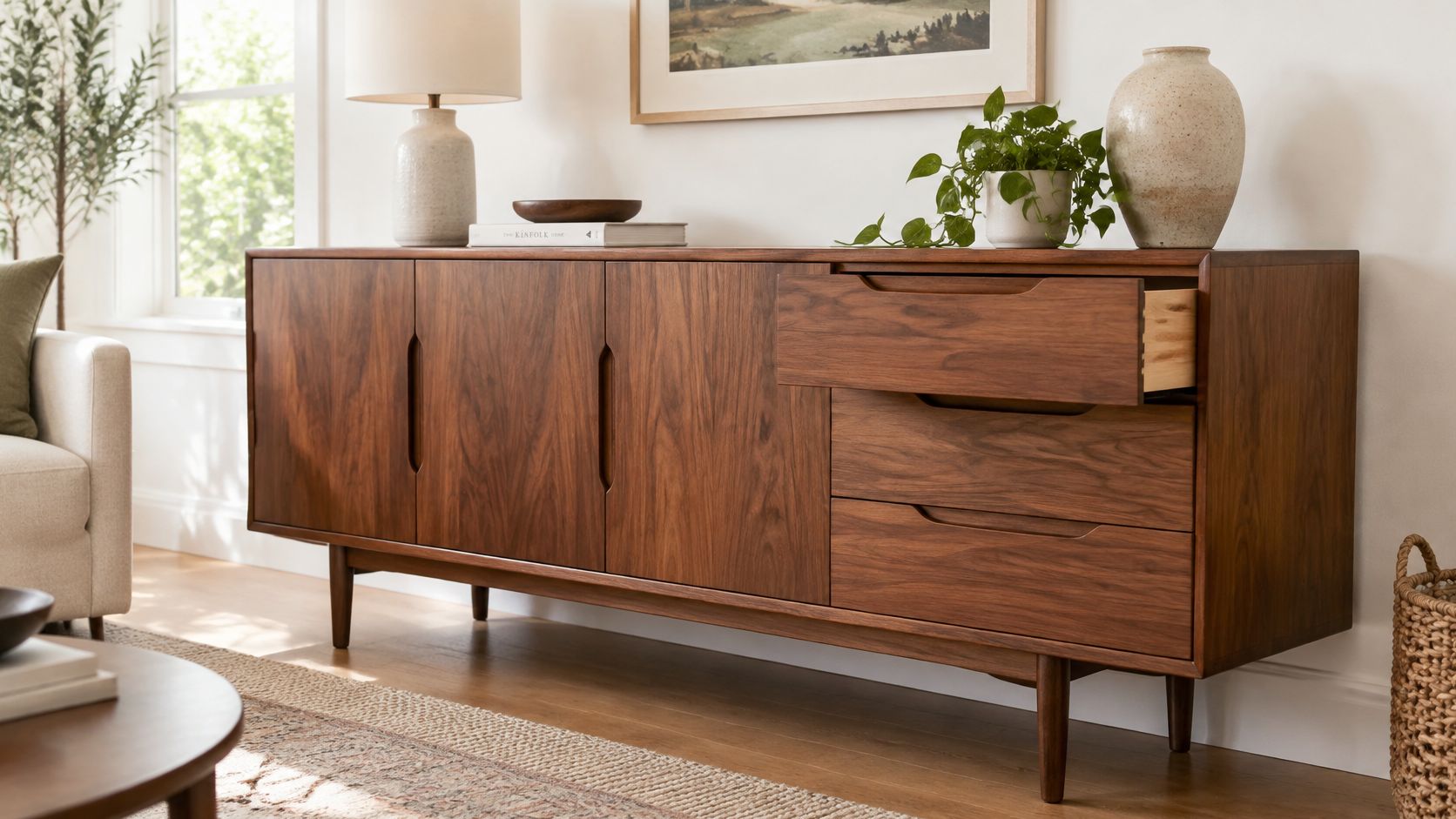
Furniture works locally because nobody wants to ship a dresser. A separate user-activity estimate reports that 30.3% of Marketplace users shop for furniture and home goods, according to BayelsaWatch's Marketplace and Shops statistics. Buyers will pay for solid wood to avoid another particleboard piece that wobbles in a year.
Say you pull a walnut credenza for $35 at an estate sale, spend 20 minutes on oil and polish, and sell it for $180 local pickup. That's $145 gross spread before gas, and there's no shipping fee eating it. A solid oak dresser from a curb sale at $0 cost of goods that sells for $95 in two days is even cleaner, if you have the truck space.
Check Construction Before You Haul
- Pull every drawer: Look for dovetails, solid wood backs, and smooth travel, not stapled drawer boxes.
- Comp the maker: Price against sold comps for the specific maker and style, not a generic mid-century dresser search.
- Photograph the proof: Shoot in natural light with drawers open so buyers see construction without asking.
Set a firm pickup window and take cash or a deposit before you hold anything. If you're working estate sales regularly, this estate sale pricing guide helps you separate real wood money from heavy junk you'll store for a month.
2. Cordless Power Tools and Tool Kits
Contractors and DIYers buy tools with a project already in mind, so they don't browse for fun. A clean DeWalt or Milwaukee kit with a working battery moves because the buyer can inspect it, squeeze the trigger, and skip retail.
A DeWalt 20V drill combo bought for $45 at a yard sale with one good battery can sell for $95 locally, leaving $50 before your time. A Milwaukee impact driver found for $18 at a thrift store and sold for $70 after a charge test is the same pattern, small, testable, and easy to hand off.
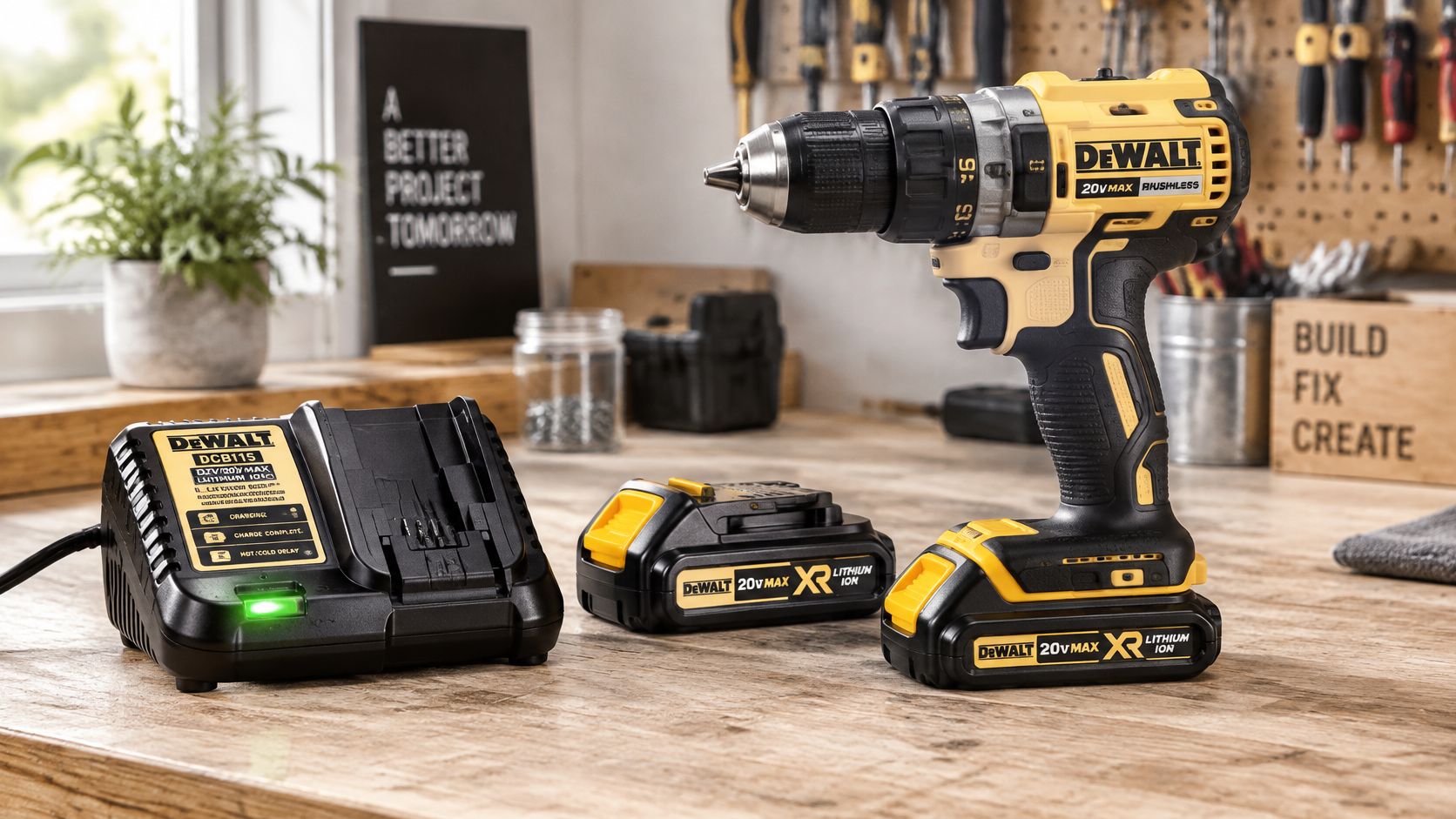
Dead batteries kill the math. Ask to see the tool run with the battery installed, check for genuine labeling on the cell, and price kits with and without batteries separately. If you're sorting platforms, use this breakdown to compare top cordless tool brands before you pay up for an off-brand kit.
If you ship instead of selling local, run the fee first. For shipped sales, Meta charges individual sellers 10% of the entire transaction, with a minimum fee of $0.80, on item price plus shipping and taxes, per Meta's merchant policies. In the aisle, ScanFlip AI can pull sold prices and show expected net profit with a red or green verdict in seconds.
3. Lego Sets and Bulk Lots
Lego is reliable because two different buyers want it. Parents buy bulk by the tub, collectors buy retired and complete sets, and both groups search by set number instead of vague descriptions.
A 10-pound bulk tub bought for $10 at a thrift store and sold for $40 to a parent is a fast $30 spread with almost no prep. At the other end, a complete Millennium Falcon UCS set bought for $200 at an estate sale and sold for $450 after a parts check pays well, but only if you verify completeness before you list it.

What to Verify in the Aisle
Check the piece count against the box, look for instructions, and note minifigs separately. Photograph the box and instructions together, and sell bulk by weight or piece count with any minifigs called out in the title.
Practical rule: If you can't confirm the set number, price it as bulk. Don't pay complete-set money on a guess.
Incomplete sets aren't automatic passes. They're just a different price tier. This breakdown of bulk resale items is useful when you're deciding whether to part out a tub, sell it whole for speed, or hold minifigs back for a separate sale.
4. Retro and Modern Video Games and Consoles
Games sell locally because buyers can test on the spot and skip shipping on a fragile console. Complete bundles beat loose pieces almost every time, since chargers, controllers, and a couple of decent titles remove the buyer's next purchase.
A Game Boy Advance with three games bought for $12 at a garage sale and sold for $55 is a clean flip. A PS4 bundle with two controllers found for $40 at a thrift store and sold for $110 after a disc test works too, but the disc test is not optional. A dead drive turns that spread into a parts listing.
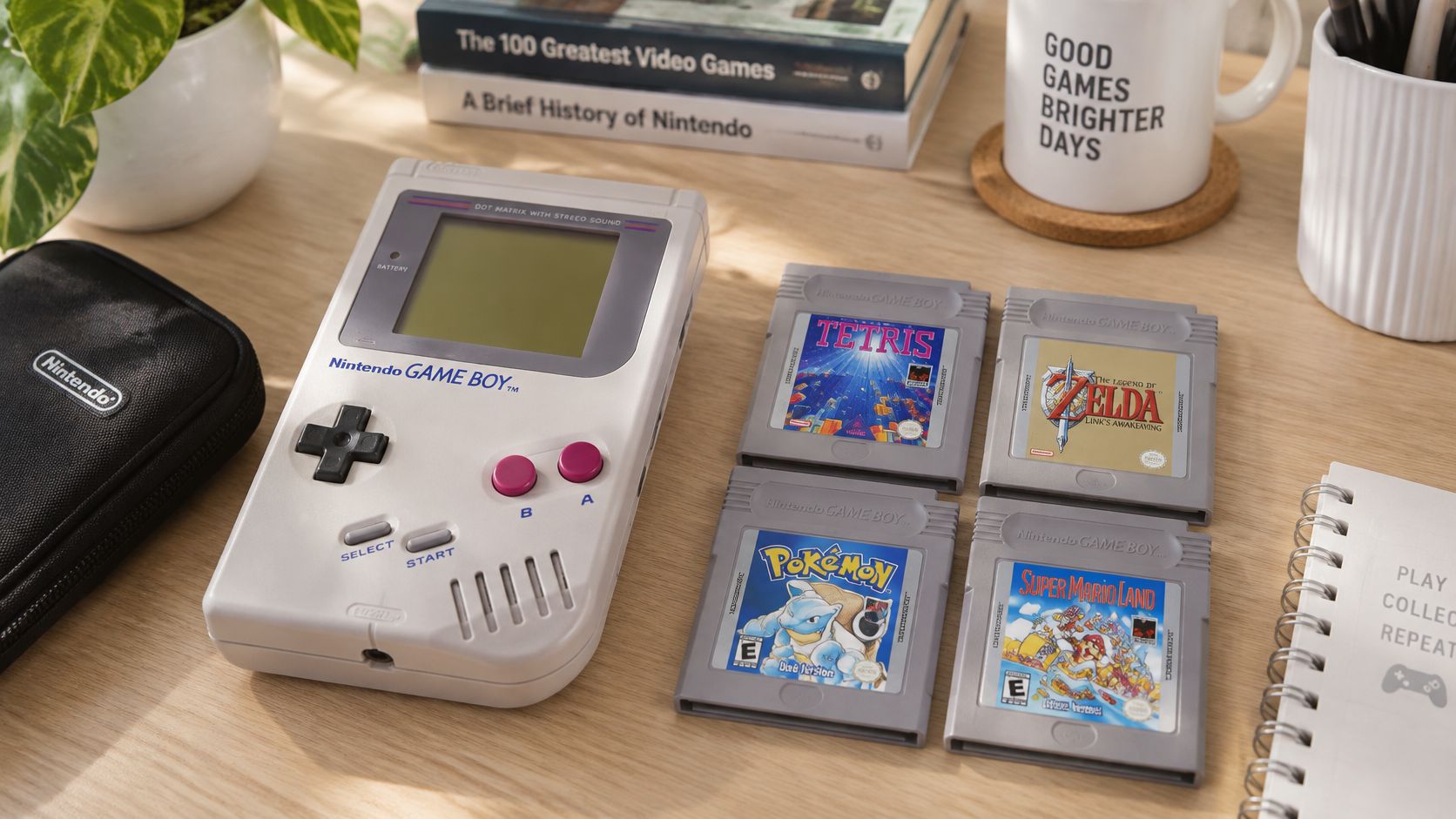
Bring a small tester setup or ask the seller to power the console on. Check region codes on retro carts and discs, clean contacts before listing, and price complete-in-box separately from loose games.
Condition claims matter if you ship. Buyers have three days after delivery to contact the seller about an item not delivered or significantly not as described, and can escalate after the timeline in Meta's buyer claims help page. Take pre-shipment photos of serial numbers, screens, and disc surfaces so a vague description doesn't become your loss.
5. Musical Instruments and Amplifiers
Local musicians want to play an instrument before they pay, and that inspection is exactly what Marketplace does well. A playable entry-level guitar sells. A wall hanger with a twisted neck sits, then gets lowballed, then joins your death pile.
Say a Yamaha acoustic costs $35 at a thrift store with a straight neck and sells for $120. That's an $85 spread for cleaning, new strings, and honest photos. A Fender Champion amp bought for $40 at a yard sale and sold for $95 after cleaning the pots is similar, provided every knob works without crackling out.
The 60-Second Instrument Check
- Sight down the neck: Look for twists, high frets, and a lifted bridge before you look at the finish.
- Plug it in: Test every pickup, knob, and input jack, and turn the amp up enough to hear hum or rattle.
- Disclose playability: State tuning stability, fret wear, and any buzz in plain language.
Don't let a hard case fool you. Cases protect guitars, but they also hide belt rash, cracked heels, and dead electronics. Pair a solid guitar with a gig bag or strap if you have extras. It raises the perceived completeness without adding much cost.
6. Used Bikes and E-Bikes
A known-brand hybrid or road bike is easy for a buyer to value, easy to test ride, and expensive to ship. That's the Marketplace sweet spot. The catch is prep time, because a bike that doesn't shift or stop is a project, not a flip.
A Specialized road bike bought for $75 at an estate sale and sold for $220 after a chain and brake fix leaves room for parts and an hour of work. A used e-bike bought for $150 with a healthy, charged battery and sold for $380 locally can pay even better, but the battery verification has to happen before money changes hands.
Check the frame around welds and the seat tube for cracks. Test brakes and shifting under load, not just spinning the wheel on a stand, and comp the exact model and year against sold prices. Photos matter at sourcing too, so learn the warning signs in used bike photos before you drive across town for a cracked frame.
Walk away from any e-bike battery that's swollen, cracked, or missing its correct charger. The margin never covers that risk.
If tubes, tires, pads, and a tune push your all-in cost too close to the sold comp, pass. Bikes take floor space fast.
7. Dyson Vacuums and Premium Small Appliances
Buyers search these by brand because they already know the retail price. Dyson, KitchenAid, and Breville don't need explaining in a listing. They need proof that the motor, battery, and attachments are there.
A Dyson V7 found for $30 with a dead battery, fitted with a $25 replacement, and sold for $110 leaves $55 before your test time. A KitchenAid stand mixer bought for $60 at a thrift store and sold for $150 after checking the bowl and attachments is stronger, and it doesn't carry the same battery risk.
The sourcing edge is prioritizing items where local pickup beats shipped marketplaces. Clothing represents roughly 25% of secondhand spending, while furniture, electronics, home goods, sporting equipment, automotive products, and children's goods make up most of the remainder, according to resale-market data cited by ReclaimStuff's guide to what sells best on Facebook Marketplace. Working appliances sit right in that practical local demand.
Run every appliance before you buy. Listen for grinding, check brush rolls and cracked plastic, and confirm the charger is included. Price complete kits separately from bare units, because missing attachments are where buyers negotiate hardest.
8. Coolers, Drinkware, and Outdoor Gear
This category is seasonal, brand-driven, and full of lookalikes. A real Yeti with a good gasket sells to someone who needs it this weekend. A no-name cooler with a cracked latch is garage clutter you'll re-list three times.
A Yeti Tundra 45 bought for $60 at an estate sale and sold for $150 after a gasket and latch check is worth the trunk space. A Hydro Flask 32 oz found for $8 at a thrift store and sold for $25 is smaller money, but it tests, cleans, and hands off in minutes, which keeps your sell-through rate healthy.
Timing matters more here than in tools or Lego. Seasonal goods such as patio furniture, holiday décor, camping gear, and snow equipment can create time-sensitive demand, while home and living products are reported in accessible price bands around USD 10 to 50, according to GrabOn's Facebook Marketplace statistics. Buy camping gear before the local rush, not after it.
Inspect latches, gaskets, handles, and brand markings up close. For runners in your buyer pool, this HYDAWAY guide to handheld running bottles shows how specific use cases drive drinkware searches. Clean everything and shoot it in natural light so dents and stains aren't a surprise at pickup.
9. Baby Gear and Nursery Items
Parents buy baby gear on a deadline and on a budget, and most of it is bulky enough that local pickup wins. Strollers, high chairs, and nursery furniture turn over when they're clean, complete, and clearly safe to use.
A Graco stroller bought for $20 at a yard sale and sold for $70 after a wheel and brake check is a straightforward $50 spread. A Fisher-Price high chair found for $15 at a thrift store and sold for $45 works the same way, with less storage pain if it folds flat.
Safety Checks That Decide the Buy
- Check expiration dates: Don't resell expired car seats, and be ready to show the date stamp in photos.
- Search recalls by model: Look up the brand and model before you pay, not after you've cleaned it.
- Test every moving part: Roll it, fold it, lock the brakes, and work every latch twice.
Clean the fabric properly and disclose stains instead of cropping them out. Parents will inspect this category harder than almost any other, and they should. If you can't verify the model, date, or recall status, I pass and spend the money on tools or Lego instead.
10. Trading Cards and Sealed TCG Product
I'll be direct. Marketplace is not my first choice for cards. Buyers haggle hard, singles are easy to misgrade, and local demand for a specific set can be thin even when national sold comps look strong.
It still belongs on a list of what sells best on FB Marketplace when the product is sealed and easy to verify. In 2025, furniture, clothing and accessories, and electronics were identified as Facebook Marketplace's leading categories by Sci-Tech Today's Marketplace statistics, which tells you cards are a niche play here, not the main traffic driver.
A sealed booster box bought for $90 at a card show and sold locally for $130 after a seal check can work because the buyer avoids shipping and you avoid platform shipping risk. A graded card bought for $40 at a garage sale and sold for $75 also works, because the slab removes most condition arguments.
Check shrink wrap and seals for tampering, comp the exact set and product, and meet in public with simple cash handling. For singles, compare your channel options in this guide to the best way to sell sports cards before you default to a local listing that invites a week of lowballs.
10 Best-Selling Categories on Facebook Marketplace at a Glance
| Category | Typical Buy Price | Typical Local Sale Price | Biggest Risk | Transport / Logistics |
|---|---|---|---|---|
| Solid Wood and Mid-Century Furniture | $20–$60 | $150–$250 | Misidentified style or maker; slow sale | Bulky; usually pickup-only and may require a truck |
| Cordless Power Tools and Tool Kits | $18–$60 | $70–$140 | Dead or counterfeit batteries | Compact; easy to carry in a car |
| Lego Sets and Bulk Lots | $10–$200 | $40–$450 | Missing pieces or overpriced sets | Easy to transport; sort and verify completeness |
| Retro and Modern Video Games and Consoles | $12–$40 | $55–$110 | Nonworking or modified consoles | Compact; bundle consoles, controllers, and cables |
| Musical Instruments and Amplifiers | $35–$80 | $95–$200 | Hidden neck, fret, or electronics damage | Manageable, though amps and cases can be bulky |
| Used Bikes and E-Bikes | $60–$150 | $180–$380 | Repair costs or unsafe, degraded e-bike batteries | Local pickup; full-size bikes need vehicle space |
| Dyson Vacuums and Premium Small Appliances | $30–$60 | $110–$150 | Dead motors or batteries; missing attachments | Usually manageable in a car; secure attachments |
| Coolers, Drinkware, and Outdoor Gear | $8–$60 | $25–$160 | Counterfeits or damaged cooler parts | Generally easy to transport and store |
| Baby Gear and Nursery Items | $15–$25 | $45–$75 | Recalls, expired car seats, or missing safety hardware | Local pickup; strollers and nursery items can be bulky |
| Trading Cards and Sealed TCG Product | $40–$90 | $75–$130 | Counterfeits, tampering, or misjudged card condition | Compact; protect cards and meet buyers safely |
Build Your Flip-or-Pass Habit Before the Money Leaves Your Pocket
Don't try to learn all ten categories this week. Pick two that match what you can source, test, store, and haul. If you drive a sedan and live in a third-floor apartment, mid-century sideboards are not your category no matter how good the spread looks. If you can test electronics at your kitchen table in ten minutes, tools, games, and small appliances will make you more money with less friction.
Learn those two categories cold. Know the brands that move, the parts that go missing, the damage that kills value, and the accessories buyers expect in the photo. A Dyson without a charger, a bike with a cracked weld, and a Lego set without minifigs aren't the same buy as the clean versions in the sold comps. That difference is where most beginners overpay at Goodwill and then blame the platform.
Set a hard minimum net profit threshold before you leave the house, and make it higher for bulky stock. A compact game bundle that clears $25 and sells in three days can be worth picking up. A dresser that clears $25 after gas, cleaning, storage, and two no-show pickups is not. Your floor price and your buy price should both be mechanical. If the math needs optimism to work, it's a pass.
Build the vetting step into the aisle instead of doing it in the parking lot. With ScanFlip AI, you can scan three ways, using an AI photo scan with no barcode for untagged furniture and gear, a barcode scan for boxed items and media, or text search when you can't get a clean photo. It pulls sold comps from eBay, Poshmark, Mercari, Depop, Amazon, Whatnot, and more, then gives you a red or green verdict based on net profit after fees and shipping. New users get 10 free scans, no credit card required, which is enough to test it on a real Saturday route.
Keep your stack in the right lanes. Listing, crosslisting, and inventory live in tools like Vendoo or List Perfectly for a lot of resellers. The win at the garage sale happens earlier, when you know your number before the seller finishes saying the price. Source two categories well, verify condition like the buyer will, and let the math make the call.
Before your next Goodwill run or Saturday garage sale route, try ScanFlip AI on the items you'd normally guess on, using a photo scan, barcode scan, or text search to pull sold comps across the major marketplaces. You'll see net profit after fees and shipping with a clear red or green flip-or-pass verdict while you're still standing in the aisle. Start with your 10 free scans, set your minimum profit, and stop paying complete-set money for incomplete finds.