
What Books Sell on Amazon in 2026: 10 Categories to Source
The $2 bin looks easy until the edition changes. A current MCAT review book pulled from a Goodwill bin for $2.00 can sell for $34.00 on Amazon. The same bin holds three-year-old copies that will never move. That gap is the whole job.
Most of what sells on Amazon is not "used books" as a pile. It is a few categories with steady demand and a clear edition cycle. Buyers show up with a test date, a course list, a missing volume, or a hobby they will not drop. They pay for the right ISBN. They ignore the rest.
National demand is real, and it is not evenly spread. Adult fiction unit sales rose 4.8% in 2024, and fantasy jumped 35.8%, according to Circana figures reported by InfoDocket. That tells you readers are buying. It does not tell you the paperback in your hand clears fees.
I sort categories by edition risk, not by how pretty the cover looks on a bestseller list. Test prep, medical review, current textbooks, complete manga, RPG hardcovers, kids' sets, craft references, current tech books, out-of-print niche titles, and language workbooks are the ten I will still bend down for. Mass-market fiction paperbacks, diet books from five years ago, and "complete" sets missing volume 4 are the ones that built my death pile.
Here is the sourcing reality, the skip list, and the math to run before the book leaves the shelf.
Table of Contents
- 1. Test Prep and Certification Study Guides
- 2. Medical and Nursing Textbooks and Exam Review
- 3. College Textbooks (Current Editions Only)
- 4. Manga and Graphic Novels (Complete Series and Box Sets)
- 5. Tabletop RPG Rulebooks and Gaming Guides
- 6. Children's Series Box Sets and Early Readers
- 7. Craft, Knitting, Quilting, and Hobby How-To Books
- 8. Technical and Programming References (Current Versions Only)
- 9. Out-of-Print Academic and Niche Nonfiction
- 10. Language Learning and Workbooks
- How the Ten Book Categories Compare for Amazon Resale
- Run the Numbers Before the Book Leaves the Shelf
1. Test Prep and Certification Study Guides
Exam books are one of the few categories where the buyer is not browsing. They have a date. A current MCAT, LSAT, CPA, or IT cert guide moves because the person on the other side cannot wait for a reprint.
The trap is the copyright year. A guide revised for this cycle can be a clean flip. Two editions back is dead weight, even if the title on the spine matches the one that sold last month.
Say the Goodwill bin gives you a current MCAT review for $2.00 and sold comps on that ISBN sit at $34.00. Amazon's Books referral fee is 15% of the sale, so $5.10 comes off the top. An FBA fee around $3.50 leaves about $23.40 before tape and a poly bag. That is a buy.
The garage-sale version of the same hunt is uglier. Three SAT guides at $1 each, all three years old. Two might still sell if the exam has not fully turned over. The third sits after the new edition drops, and you paid to store a brick.
Practical rule: If the publisher has already announced the next edition, the copy in your hand is already on a clock.
Before you pay, open the copyright page and match the year to the exam that students are sitting. LSAT Lab's breakdown of why the LSAT is hard is a reminder that these buyers are stressed and specific. They want the book their prep plan names, not a close cousin.
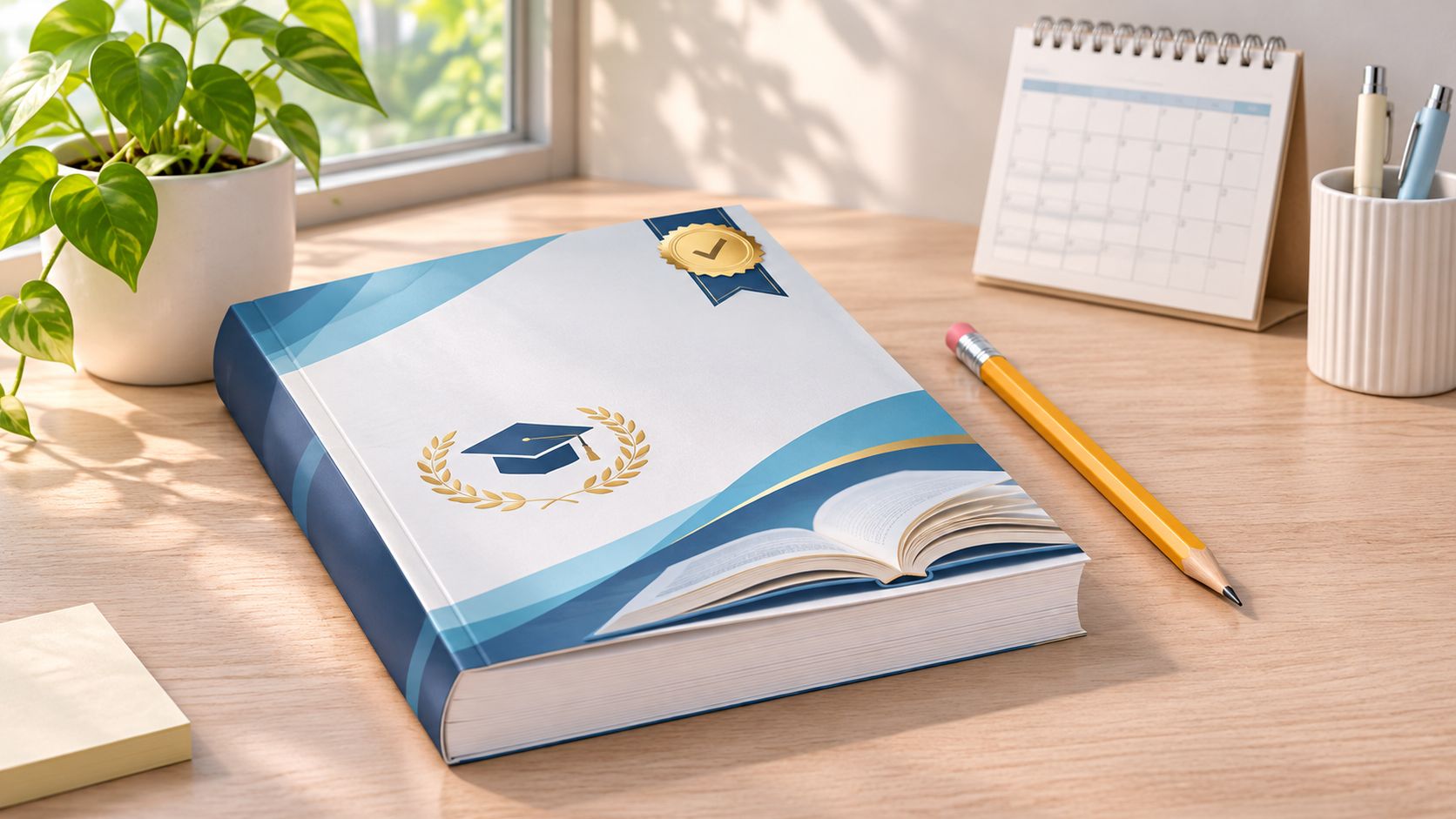
In the aisle, scan the ISBN with ScanFlip's barcode scanner. You want sold comps and net after fees, not the asking price on a new listing. Then sell fast. These books lose value as the exam date passes.
2. Medical and Nursing Textbooks and Exam Review
Medical and nursing books post some of the highest sold prices in this niche, and they punish lazy grading harder than almost anything else. A current or one-edition-old review tied to NCLEX, USMLE, or PANCE is the sweet spot. A five-year-old anatomy text is nearly dead stock, no matter how heavy it feels in the cart.
Students in these programs need the edition the course or the board uses. They will pay a premium for it. They will also return a book if you called heavy highlighting Like New because the cover looked clean.
A library-sale scenario that still works: a current First Aid edition at $5.00, sold comps at $62.00. Referral fee $9.30, FBA around $5.00 on a thick book, cost of goods $5.00. Net lands near $42.70. That is worth the weight.
When the same shelf is a pass
A three-edition-old nursing pharmacology book at a hospital surplus sale, priced at $3.00, can sit a month and go back in the bin. The title sounds expensive. The ISBN is not.
- Match the ISBN, not the title: Editions share a name and not a sales rank.
- Check the access code: An unused code can carry the sale. A scratched-off code needs to be disclosed, and it usually kills the price.
- Budget monthly storage: Heavy slow movers eat the spread you thought you had.
- Keep a route: Hospital surplus and nursing-school sell-offs are worth a regular stop. General thrift is hit or miss.
If sold comps for that exact ISBN are thin, walk. Prestige on the cover is not sell-through.
3. College Textbooks (Current Editions Only)
Many new scanners start here, and a lot of them fund their first death pile here. Intro economics, chemistry, psychology, accounting, and calculus can stay assigned for a few years. Everything else changes when the professor feels like it.
Older calculus editions are the classic trap. You buy a stack because the subject sounds valuable. None of them clear a real net.
Work the good version first. A used intro economics text at a college sale for $1.00, sold for $28.00. Referral fee $4.20, FBA about $4.00, net about $18.80. That is a real book, not a story about textbooks in general.
Now the bad stack. Ten older calculus editions, $15 all in. None sold over $6. After gas, the lot was a loss. Subject matter did not save them.
If the expected sold price is under $15, the book needs to be nearly free or it does not earn the shelf.
Search the syllabus before you trust a course name. Pull both ISBN-13 and ISBN-10 so you do not miss sold comps on the other identifier. Scanning books at thrift stores only pays off if you commit to the barcode that matches the edition still in use. Walk past the rest.
4. Manga and Graphic Novels (Complete Series and Box Sets)
Single volumes move. Complete runs pay the gas. Fans will pay more for a finished set than for the same books listed one at a time, and they will also ding you for a creased spine you thought was "normal wear."
Count before you negotiate. One missing book can turn a set price into a pile of cheap singles.
A garage-sale set of 27 volumes at $25.00, minor shelf wear, sold comps around $180.00, is the kind of find that makes the category worth learning. Referral fee $27.00, FBA around $12.00 on a heavy shipment, net about $116.00. You still have to grade accurately. Collectors look at covers, corners, and whether shrink-wrap was cut.
A lone volume 1 is a different business. Bought for $2.00 at Goodwill, sold for $14.00, net after fees and shipping about $6.80. I only keep that if the rest of the set is close, or if the rank is moving this month.

What to check on the floor
- Volume count: Match the series list before money changes hands.
- Spine and cover: Creases matter more here than on a textbook.
- Printing: Sold comps jump between early printings and later ones. Scan the ISBN for that volume, not the series name.
- Bundling: Only combine loose books when you can prove the sequence is complete.
Loose volume 7 with no mates is usually a pass unless the sold price is ugly-high and recent.
5. Tabletop RPG Rulebooks and Gaming Guides
Core rulebooks are a small aisle with real sold prices, mostly because players want the hardcover in hand and reprints come and go. Edition is the whole comp. A current 5th Edition book is not the same product as the printing a new release just replaced.
Watch stickers, names on the cover, and bent corners. Those are not cosmetic trivia. They change the condition you can list, and they change what buyers pay.
A near-new 5th Edition Dungeon Master's Guide from a game-store trade-in at $8.00, sold at $42.00, is a normal good day. Referral fee $6.30, FBA around $3.50, net roughly $24.20. That is worth learning the copyright page for.
An estate-sale Pathfinder box with cracked bindings is the other day. Each book under $12, and the time to list them costs more than the spread. Old does not mean scarce. Damaged old means skip.
Players buy the book that matches the table they sit at. A replaced edition is just a heavy paperback with a higher page count.
Check edition and printing date before you buy. If there is no barcode, text-search the edition name and read sold comps, not the new price. Local game-store clearance and estate sales beat general thrift bins for this stuff. Thrift bins mostly hold beat-up player copies nobody at the table still uses.
6. Children's Series Box Sets and Early Readers
A complete Magic Tree House set can sell well; a loose paperback with a crayon sun on page 12 usually cannot. Parents and gift buyers look for complete runs in clean condition. Singles from the dollar bin often leave too little margin after fees and shipping.
Children's books take a beating. Check for writing, torn pages, stains, and damaged covers before paying. If the condition makes the book a poor gift, price it accordingly or leave it behind.
A 28-book Magic Tree House set bought for $12.00 at a garage sale and sold for $75.00 leaves about $42.75 after an $11.25 referral fee and roughly $9.00 for shipping and FBA. Count every volume and check the pages before buying. The profit depends on the set being complete and presentable.
A single Diary of a Wimpy Kid paperback bought for $0.50 and sold for $6.00 nets about $2.00 after fees. Keep it only if it can ship with other inventory. A separate trip or order is not worth that margin.
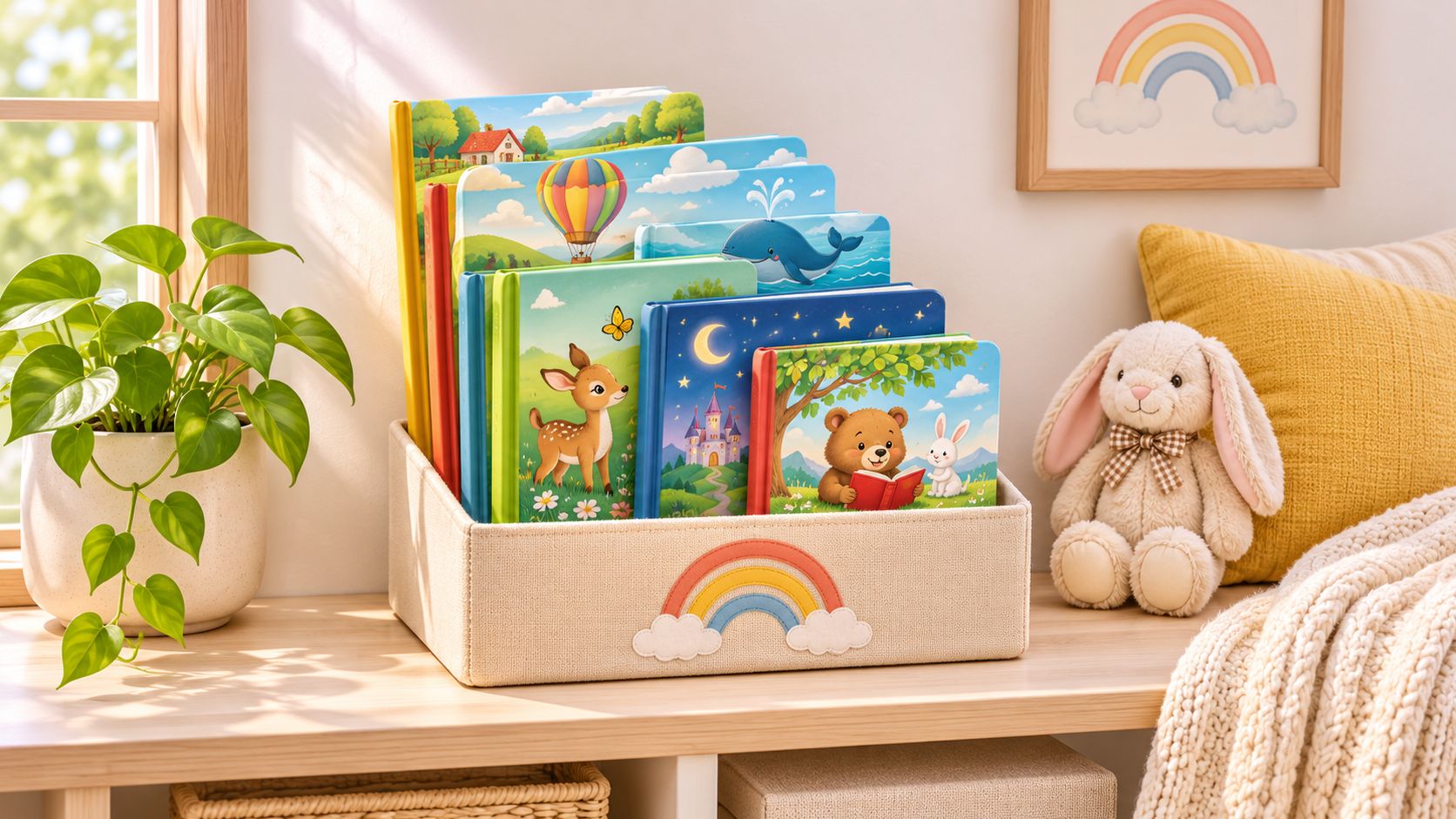
Before paying, compare the set with the publisher's list. Look for clean spines, intact pages, and no writing. Family-neighborhood garage sales are a practical place to find full sets, often packed together in a tub. List a complete set as one item rather than processing each book separately.
Franchise books such as Dog Man can sell strongly new, but that demand does not rescue a scribbled early reader with a ripped cover. Condition sets the resale price, and the fees and shipping come out of that price. A damaged copy that sells for $6.00 can leave only about $2.00 after fees, even when the series is popular.
7. Craft, Knitting, Quilting, and Hobby How-To Books
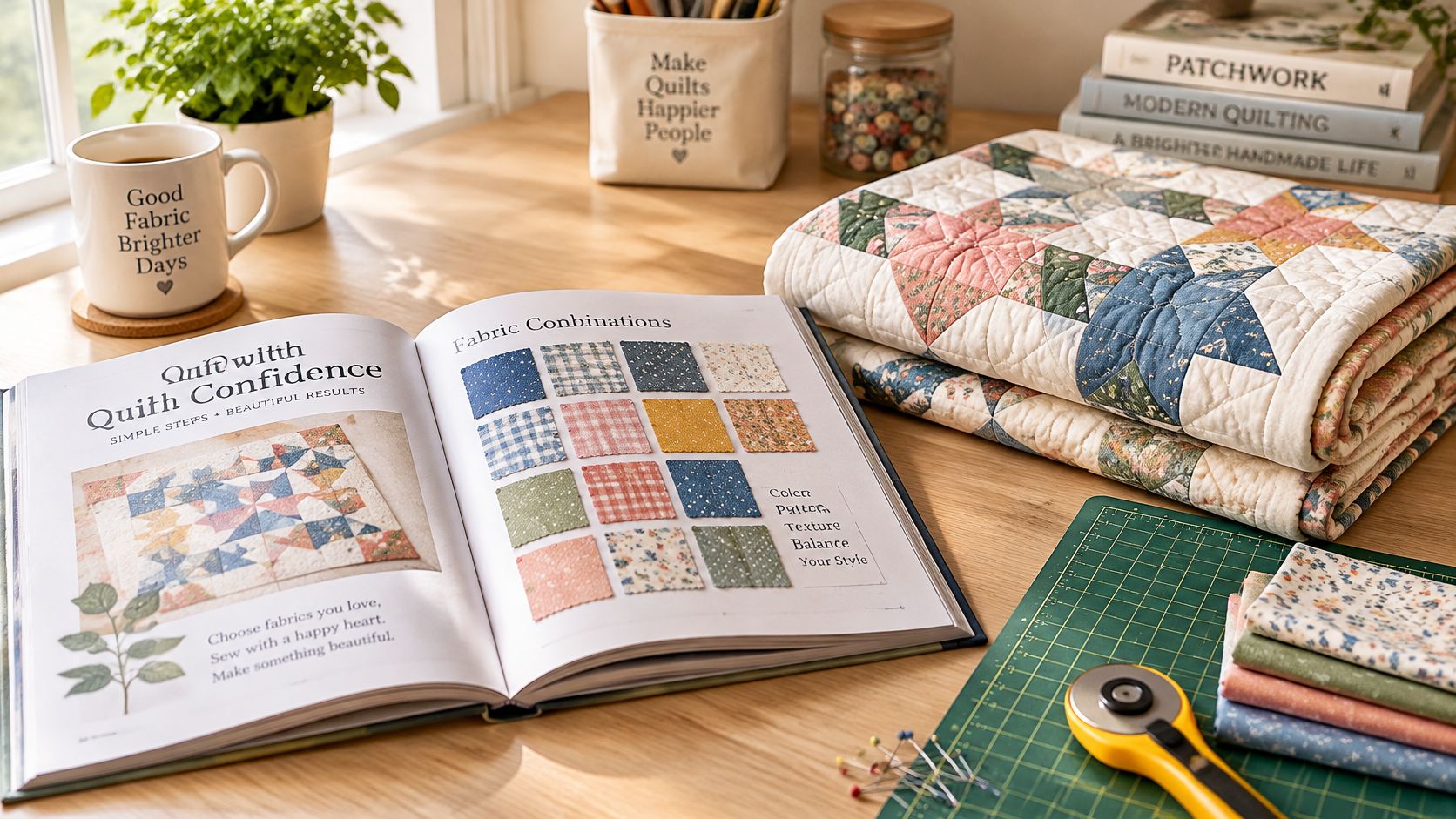
Techniques in knitting, quilting, woodworking, and embroidery do not expire the way a software manual does. That is why a good stitch dictionary can outlive the year it was printed. The market is smaller than textbooks. The books that hold value are known authors, established publishers, and pattern books with a lot of projects, not a single scarf.
A vintage knitting stitch dictionary at an estate sale for $4.00, sold for $31.00, is a fair example. Referral fee $4.65, FBA around $3.50, net about $18.85. Check that the stitch diagrams are all there. Missing inserts are how this category turns into a return.
A recent crochet book at the thrift store for $3.00 can look similar and fail. If a reprint just landed, sold comps drop, and the net can fall under $5. Cheap cost of goods does not fix a crushed price.
Where the better copies sit
Estate sales in older neighborhoods beat the Goodwill craft shelf, which is mostly stained cookbooks and one-project pamphlets. Baking is the exception on the new-book side. Circana reported baking-cookbook unit sales up more than 80% in 2025 while the wider cookbook category stayed flat. For resale, that still means the specific title and the intact pages, not every flour-dusted hardcover.
Note authors whose sold comps stay steady and buy those first. Skip the rest unless the net is obvious before you bag it.
8. Technical and Programming References (Current Versions Only)
A current language or framework reference can hold a price. A book for a retired version is close to worthless, and the surplus table will try to sell you a stack of them for "a deal."
These show up at tech-company cleanouts, university bookstore clearance, and estate sales after someone leaves an IT job. The buy decision is the version number plus recent sold comps. Nothing else on the back cover matters.
An O'Reilly-style reference on a language people still ship, bought for $5.00 and sold for $38.00, is the keep. Referral fee $5.70, FBA around $3.50, net about $23.80. A decade-old stack where nothing clears $6 is a shipping loss dressed up as inventory.
- Read the version on the cover and the copyright page: They do not always match the sticker.
- Confirm the tool is still in use: If job posts have moved on, the book has too.
- Compare a few ISBNs in one pass: Certification guides on the same table can be the better buy.
- Ignore the discount: A retired framework at $1 is still a pass.
Retail arbitrage on books works the same way in a Ross book aisle as it does at a surplus sale. If the edition is current and the net is there, buy it. If the framework is retired, leave the whole stack.
9. Out-of-Print Academic and Niche Nonfiction
University-press monographs and tight regional titles are quiet money, and they are not a volume play. Print runs were small. Once the book is out of print, the remaining copies can sell for more than the original price. The buyers are researchers and collectors who searched the exact subject. They are not impulse shopping.
That also means sold comps are thin. One lucky sale is not a system.
A library-sale regional history at $3.00 that sells for $48.00 after six weeks can net about $34.30 after a $7.20 referral fee and roughly $3.50 in FBA. Worth keeping if you can stand the wait.
A specialized scientific monograph at $10 that sells once at $22.00, then leaves the next copies sitting for months, is the warning. Narrow demand cuts both ways. You cannot replenish this like test prep.
Three or four recent sales on that ISBN, or you are guessing.
Local and regional subjects often have a buyer the national rank does not show. University library sales and academic estate sales are the sources. General thrift is mostly leftovers. Keep the count low so slow titles do not trap your cash, and read where used books actually sell online before you assume Amazon is the only exit if the rank is sleepy but the book is scarce.
10. Language Learning and Workbooks
Spanish, French, German, and Japanese workbooks sell because people are in a class, planning a trip, or studying on their own. This is a steady category, not a jackpot. Workbooks with exercises and answer keys beat plain grammar texts. Audio and a working access code add value only if they are in the bag and still function.
A garage-sale Spanish workbook with the answer key and CD, $2.00 cost, $19.00 sold price, is a normal keep. Referral fee $2.85, FBA around $3.50, net about $10.65. Fine if your sourcing is already in that neighborhood. Not a reason to drive an hour.
A dated French grammar book with no audio is the pass. Sold at $6.00, net under $1.50 after fees. That is shelf space you will resent.
What makes the net real
- Media in the package: If the listing comps assume a CD or code, your copy needs it, and you need to say so.
- Current popular languages: Skip outdated grammar for a language you cannot even confirm is still taught that way.
- Lots, sometimes: Pair a workbook with its audio when both are present so you are not shipping two thin orders.
- Better geography: Garage sales near language programs or immigrant neighborhoods beat a random suburban bin.
Moderate ROI is acceptable here only because STR is decent on the right ISBN. If the net is under a few dollars, it is not a steady seller. It is clutter.
How the Ten Book Categories Compare for Amazon Resale
| Item | Edition Sensitivity | Best Sourcing Spots | Main Risk |
|---|---|---|---|
| Test Prep and Certification Study Guides | Very high; prioritize current editions | Thrift and library sale bins, garage sales | New editions or missing access codes can sharply reduce value |
| Medical and Nursing Textbooks and Exam Review | Very high; current or one-edition-old copies are best | Hospital surplus sales, nursing school sell-offs, library sales | Rapid edition turnover, redeemed access codes, and shipping weight |
| College Textbooks (Current Editions Only) | High; verify the course still uses the edition | Campus sales, estate and garage sales, bookstore clearances | Edition changes and shipping costs can erase profits |
| Manga and Graphic Novels (Complete Series and Box Sets) | Moderate; printings and volume numbers affect value | Thrift stores, garage sales | Incomplete sets, poor condition, or counterfeit copies |
| Tabletop RPG Rulebooks and Gaming Guides | High; value depends heavily on rules edition | Local game store clearance tables, estate sales | Edition changes and damaged or marked-up books |
| Children's Series Box Sets and Early Readers | Low to moderate; completeness matters more than edition | Garage sales in family neighborhoods, thrift stores | Missing volumes, markings, and damage |
| Craft, Knitting, Quilting, and Hobby How-To Books | Low; techniques often remain useful, but reprints affect value | Estate sales, craft-room sales | Missing inserts or recent reprints reducing scarcity |
| Technical and Programming References (Current Versions Only) | Very high; check version and release date | Tech company surplus sales, university bookstore clearances, IT estate sales | Outdated languages or frameworks |
| Out-of-Print Academic and Niche Nonfiction | Low edition turnover; scarcity and demand vary by title | University library sales, academic estate sales | Thin sales data and slow, narrow demand |
| Language Learning and Workbooks | Moderate to high; check edition and components | Garage sales, library sales, areas with language programs | Missing audio or answer keys and outdated editions |
Run the Numbers Before the Book Leaves the Shelf
Pick two or three of these categories that match where you source. If your route is college towns, learn test prep and current textbooks until you can reject an edition in ten seconds. If your route is estate sales, learn craft references, RPG hardcovers, and out-of-print niche titles. Do not try to be a specialist in all ten on Saturday morning.
The fee floor is why cheap books lie to you. In Books, Amazon charges a 15% referral fee on the total sale price plus a $1.80 closing fee per media item, and an Individual plan can add $0.99 per item, per Amazon's selling fee schedule. A $6 book that "sells" at $12 can leave a gross spread around $2.40 before postage. That is not a flip. That is a favor you did for the carrier.
Condition is the other leak. Amazon's condition guidelines draw a hard line. Used–Like New still needs clean pages and an intact dust jacket. Very Good can omit the jacket. Good allows limited highlighting. Acceptable can include minor water damage if the text is readable. A textbook with heavy highlighting is not Like New because the cover is pretty. Misgrade it and the $30 sale becomes a return.
Supply is also louder than the bestseller list. U.S. ISBN output topped 4 million titles in 2025, up 32.5%, while online retail led by Amazon generated $11.3 billion in publishing sales, up 2.9%, Publishers Weekly's output report shows. More titles does not mean your copy has less competition from other used offers, print-on-demand, and ebooks. It means you have to prove demand against the exact physical book.
Print is still a huge pool. Circana BookScan figures put 2025 U.S. print units at 762.4 million, with romance near 44 million units. Romance, fantasy, and kids' franchises can be BOLOs when the edition, set, or printing is right. A random mass-market paperback is still oversaturated. I do not pick those up unless the sold comps are recent and the net survives fees and shipping.
Before every buy, check the current edition, pull recent sold prices for that exact ISBN, and subtract referral fees, closing or FBA fees, and shipping from the sold price. If the net does not justify the shelf or the drive, walk past it. The bin will still be there next week. Your cash might not.
ScanFlip AI is the check I want in the aisle, not after the books are in the trunk. Scan with a photo, a barcode, or a text search, then compare sold comps and see the net after fees with a red or green flip-or-pass call before you pay. If you are still guessing what books sell on Amazon from the asking price on the listing, start with a scan at ScanFlip AI.