

Market Value Research for Resellers: A Practical Workflow
You're standing in a thrift aisle with a jacket in one hand and three apps open in the other. One listing looks high, another looks stale, and the third barely matches the size or color you've got. If you've ever walked away unsure, the problem usually isn't the item. It's the research method.
Market value research for resellers isn't about finding the highest number on a screen. It's about deciding, fast, whether an item will turn into net profit after fees, shipping, and buy cost. That's a different job from broad market sizing, and it requires a different workflow.
The market itself has gotten large enough that structured pricing signals matter more than ever. ESOMAR-linked reporting in 2024 put worldwide market research revenue at $140 billion, up from $130 billion in 2023 and $102 billion in 2021, which implies 37.25% growth over that 2021 to 2024 period, and online and mobile quantitative research services account for 35% of global market research revenue (market research statistics). For resellers, that scale is a reminder that the best decisions come from continuous sold comps and cost math, not hunches.
Table of Contents
- Why Most Resellers Get Market Value Wrong
- Finding and Weighting Comparable Sold Listings
- Adjusting for Condition and Item Variations
- Calculating Net Profit After Fees and Shipping
- Spotting Demand Signals and Seasonality
- Speeding Up In-Aisle Decisions with ScanFlip AI
Why Most Resellers Get Market Value Wrong
A reseller picks up a pair of Nikes, sees one active listing at a nice price, checks one marketplace, then checks another, and hesitates. The item goes back on the rack. Ten minutes later, someone else grabs it, or the original buyer later realizes the “good deal” would've been eaten alive by fees and shipping.
That hesitation usually comes from mixing up asking price with market value. Asking prices are optimism. Market value is what buyers pay, and for resellers, the only value that matters is the amount left after the marketplace takes its cut.
Practical rule: if you can't answer “what do I keep?” in under a minute, you don't have a sourcing system yet.
Generic market-gap content often talks about finding underserved niches, but it stops short of the part that matters in the aisle, whether the item is profitable after fees, shipping, and platform differences (underserved market guidance). That gap is why people overpay for inventory that looks strong on paper and still loses money in practice. In resale, gross price can be a trap.
A better mental model is simple. Market value research means estimating the realized selling price, then subtracting costs until you reach a net number you'd accept. If the net number doesn't clear your floor, the item is a pass, even if the listing looks impressive.
The other common mistake is using one platform as the truth. eBay comps can be useful, but Poshmark, Mercari, Depop, Amazon, and Whatnot can all land at different realized prices for the same item because the buyer pool, shipping expectations, and fees differ. One platform's “hot sale” can be another platform's dead end.
The most expensive mistakes happen when the item looks desirable, but the seller never asked the only question that counts, what will this leave me with after everything clears? That's the shift this workflow is built around.
Finding and Weighting Comparable Sold Listings
Start with sold results, not active listings
Active listings show what sellers want. Sold listings show what buyers paid. In the aisle, that difference is the whole ballgame because a strong asking price does not help if nobody closed at that level.
I start with sold comps across eBay, Poshmark, Mercari, Depop, Amazon, and Whatnot. For items with broad demand, like sneakers, vintage band tees, and small electronics, the same product can clear at different prices depending on the marketplace and the kind of buyer on that platform. If you only check one app, you are looking at one slice of the market.
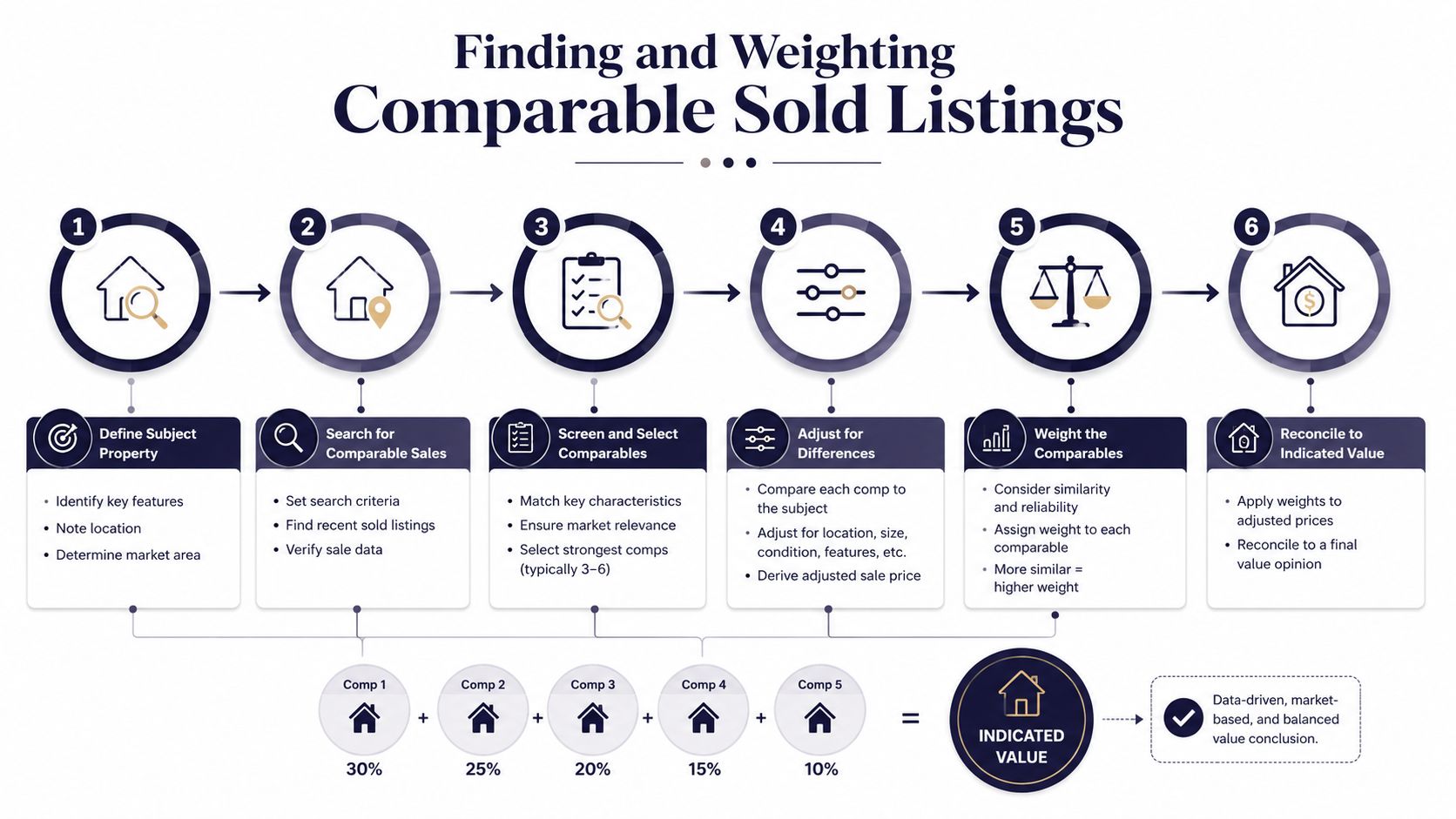
The cleanest habit is to collect a small set of true comparables, then leave the outliers alone. A single high sale can be a rare size, a bundle, or a bidding spike. The median of the last 10 comparable sales usually gives a better read than the top sale because it reflects the middle of the market, not the most flattering screenshot.
If you need to check completed sales quickly, this guide to sold prices on eBay is a practical reference for separating real comps from live listings.
Weight by recency, volume, and platform fit
Each comp does not deserve the same weight. A sale from last week matters more than a sale from last year, and a platform with many matching sales matters more than a platform with one lonely outlier. If there are only a few sales, the range is softer and you need to be more cautious.
Sold comps are evidence, not decoration.
A practical filter helps:
- Recency first: recent sales tell you whether buyers still want the item now.
- Volume second: more sold examples usually mean less guesswork.
- Platform relevance third: a Poshmark comp and an eBay comp can both be valid, but they may not be interchangeable.
For sneakers, I compare the same model across platforms, then pay attention to size and condition differences. For vintage tees, I care about design, tag era, and fit. For small electronics, I look for completeness and whether the item sold with tested functionality.
The goal is not a perfect valuation model at the rack. It is a reliable range fast enough to decide whether the item deserves a second look. When the comps cluster, confidence goes up. When the spread is wide, the item needs a more careful read.
Adjusting for Condition and Item Variations
A comp is only useful if it matches what's in your hand. Two items can look almost identical from across the rack and still have very different values once you inspect the details. That's where a lot of sourcing mistakes happen, because condition mismatches are easy to miss when you're moving fast.
Match the specifics that change buyer behavior
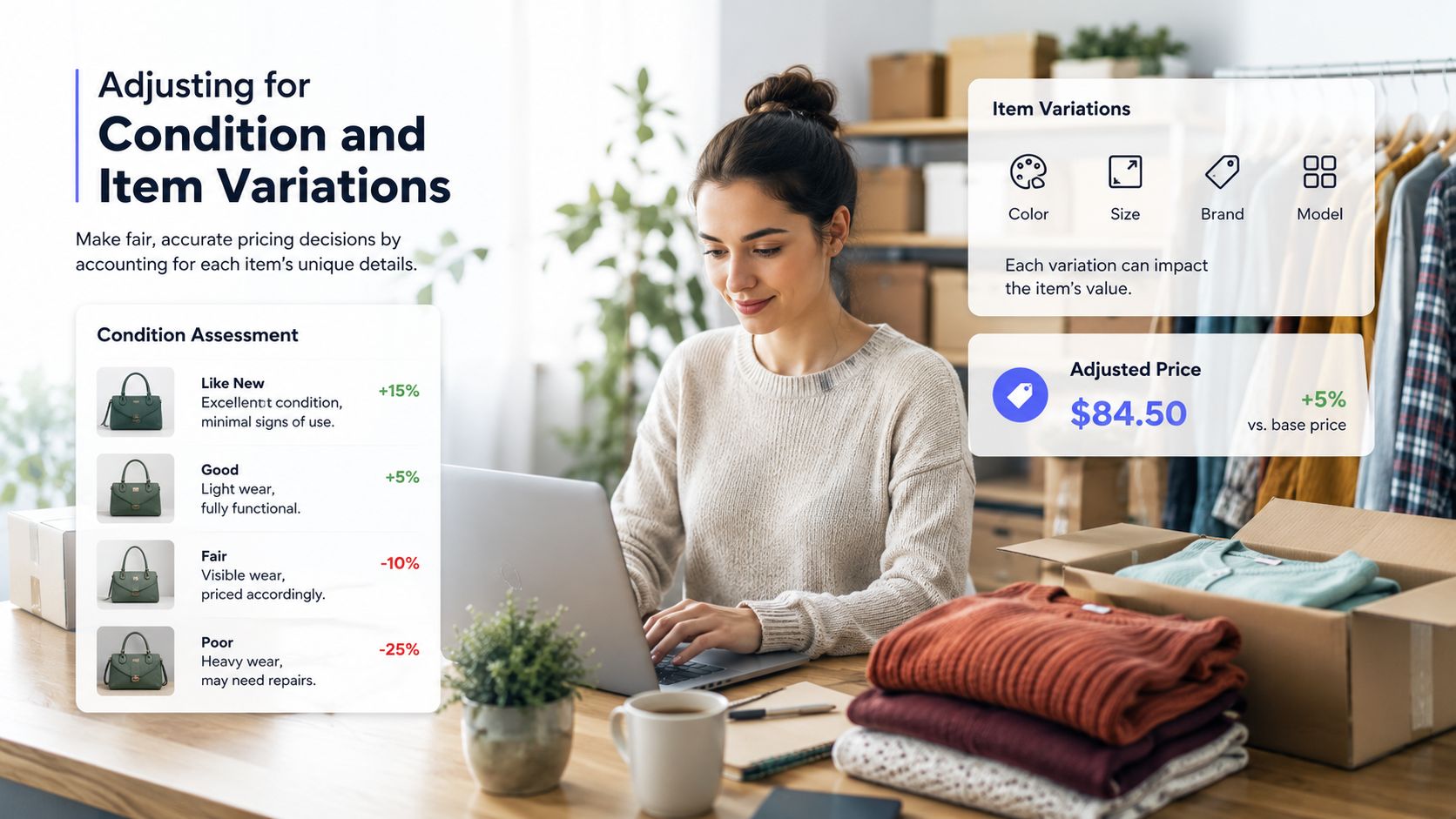
A missing accessory, a different colorway, or a model variation can change how buyers treat the listing. Electronics buyers often discount items without original packaging, especially when they're comparing similar listings side by side. Clothing buyers care about tags, measurements, stains, fading, and alterations more than people new to reselling expect.
Vintage apparel is a good example. A Levi's tag era can matter more than the wash because it helps buyers place the piece in the right vintage bracket. With shoes, the difference between used, lightly used, and incomplete can be enough to move an item out of your target range entirely. The same is true for collectibles, where the box, inserts, and accessories often carry real weight.
Build condition-adjusted ranges, not single numbers
A strong habit is to keep a range instead of one exact value. That range should shift down when the item is missing parts, shows heavy wear, or has a version that buyers like less. It should shift up when the piece is unusually clean, complete, or hard to find in that condition.
Practical rule: if you'd need to apologize for the condition in the listing title, don't value it like a cleaner comp.
Fast mental math beats overresearching. If a sneaker comp assumes full completeness and yours is missing a key piece, don't force the numbers to fit. If a vintage shirt has a tag mismatch or a faded graphic, find the comp that reflects that reality instead of pretending it's deadstock-adjacent. The same discipline keeps you from overpaying on electronics that look complete until you notice the missing charger, remote, or box.
The goal is not to be perfect. It's to avoid false positives. A “great deal” that needs a long explanation at listing time usually wasn't a great deal.
Calculating Net Profit After Fees and Shipping
Gross sold price is vanity. Net profit is sanity.
That matters because two items with the same sale price can leave very different amounts in your pocket once the marketplace takes its cut and shipping leaves your account. A reseller who only chases the top line is working blind. The only useful number is what survives after all the deductions.
Use the full cost stack
A basic profit check includes the buy cost, the selling fee, any payment processing, and estimated shipping. Platform fees vary enough to change the buy decision, especially when the item is low to mid priced. Poshmark's fee structure is different from eBay's, and Mercari's is different again, so the same sold comp can produce a very different take-home result.
| Marketplace | Selling Fee % | Payment Processing | Est. Shipping (1 lb) | Net on $50 Sale |
|---|---|---|---|---|
| eBay | ~13-15% | Varies by payment setup | Varies by carrier and label choice | Lower than gross suggests |
| Poshmark | 20% | Included in platform flow | Typically buyer-paid shipping structure | Depends on offer and shipping terms |
| Mercari | 10% | Platform-based processing | Varies by label and weight | Often stronger than a similar gross price elsewhere |
Estimate shipping by weight and category
Shipping is where many decent-looking flips fall apart. Soft goods, small electronics, and boxed items all travel differently, and weight changes can move your margin fast. If the item is bulky, fragile, or dense, I mentally round shipping up rather than down. That habit saves a lot of bad buys.
The cleanest decision rule is to work backward from the number you want to keep. If your target is too low, you'll tie up cash in items that look active but don't reward the time. If your target is realistic, you'll skip a lot of junk that would've felt tempting at the register.
This net profit guide for resellers is a useful reference if you want a faster way to sanity-check the numbers before you commit. The core idea is simple, once fees and shipping are real, a $60 sold comp can turn into a modest profit or a pass, depending on buy cost and platform.
Spotting Demand Signals and Seasonality
Market value doesn't sit still. It moves with timing, audience, and where the item is being sold. That's why an item can look strong in a static search and still sit for weeks once you list it.
Watch velocity, not just price
The first signal I check is sales velocity. If items are moving regularly, the market is alive. If the comps are old or sparse, the price might be theoretical rather than practical. A lot of resellers mistake a high asking price for demand, when the true sign is repeated sales from buyers who showed up recently.
A second signal is the listing to sale relationship. When there are plenty of active listings but very few sold results, the category is crowded or stale. When sold results keep appearing and inventory stays tight, buyers are still paying attention.
Read the calendar and the niche
Seasonality matters because demand isn't evenly distributed across the year. Holiday collectibles move differently from back-to-school apparel, and outdoor gear behaves differently when the weather shifts. A piece that looks mediocre in one month can be a clean flip in another, but only if you buy it before the crowd arrives.
The strongest opportunities often live in micro-communities, not broad categories. A niche fandom, a hobby forum, or a small collector subculture can create demand before the wider market notices. That's why the best sourcing isn't just trend-chasing. It's listening for recurring complaints, repeated wish-list language, and consistent sold activity in the same corner of the market.
If the item has a price on paper but no recent buyer behavior, treat it like inventory, not opportunity.
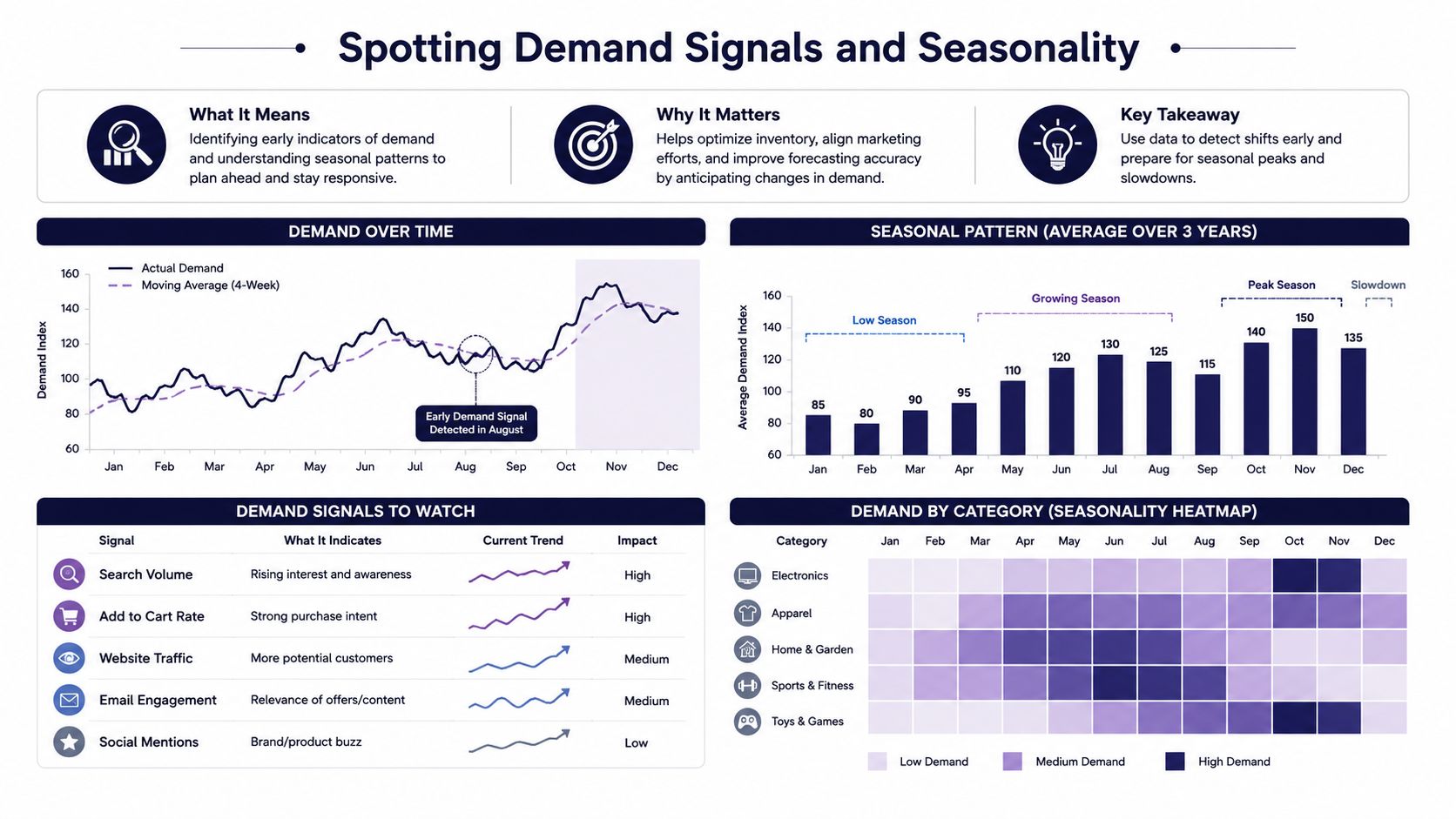
The best moves happen when the item is both priced right and moving right now. If it's only valuable in a theoretical sense, it's not a sourcing win. It's a shelf hostage.
Speeding Up In-Aisle Decisions with ScanFlip AI
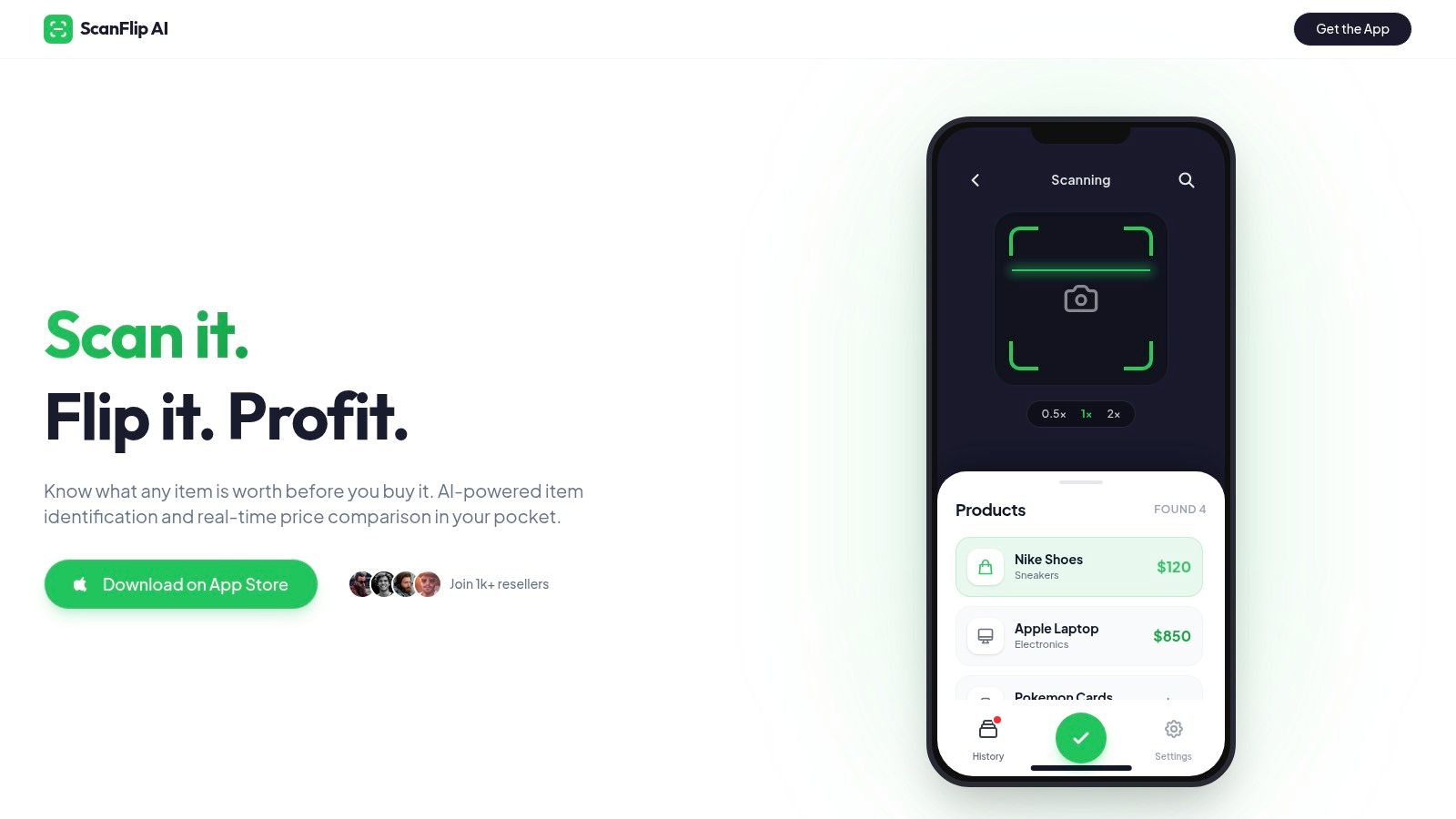
A good sourcing run usually ends with a simple question, do you buy it now or leave it on the shelf? A tool like ScanFlip AI helps answer that question faster by combining visual identification, cross-platform sold comps, and a net profit calculator in one scan-to-decision flow, so you can judge margin before the aisle gets crowded. If you want the workflow behind that approach, the scan-to-buy guide explains the model in more detail.
What that looks like during sourcing
At a thrift rack, speed is what matters. You scan an item, get a read on what it is, review sold comps across marketplaces, and use the profit output to decide whether it belongs in the cart. At an estate sale, the same flow helps when the room is busy and the seller wants an answer right away. In a garage sale, it keeps you from guessing on oddball items that do not have clean barcode data.
Persistent scan history helps after the fact too. Saved photos, timestamps, and location notes give you a record of what you saw and how you priced it, which makes it easier to spot the brands, categories, and sourcing pockets that keep paying off.
Keep the decision rules simple
The biggest mistake with any sourcing tool is overcomplicating the setup. I would rather use one clear profit threshold than a stack of soft rules that nobody follows under pressure. Fee schedules also need to stay current, because stale assumptions can ruin otherwise solid math.
Practical rule: if the app does not help you decide in seconds, it is slowing you down.
Scan-to-buy tools work best when they replace hesitation with a clear buy or pass signal. That is the point of using technology at the shelf. It is not to make sourcing more academic, it is to make the next decision more accurate.
If you want a faster way to judge items on the spot, track net profit, and keep your comps organized, ScanFlip AI is built for that sourcing workflow. It helps resellers move from guesswork to a clear buy-or-pass decision without leaving the aisle.