
10 Places Where to Buy Discontinued Beauty Products in 2026
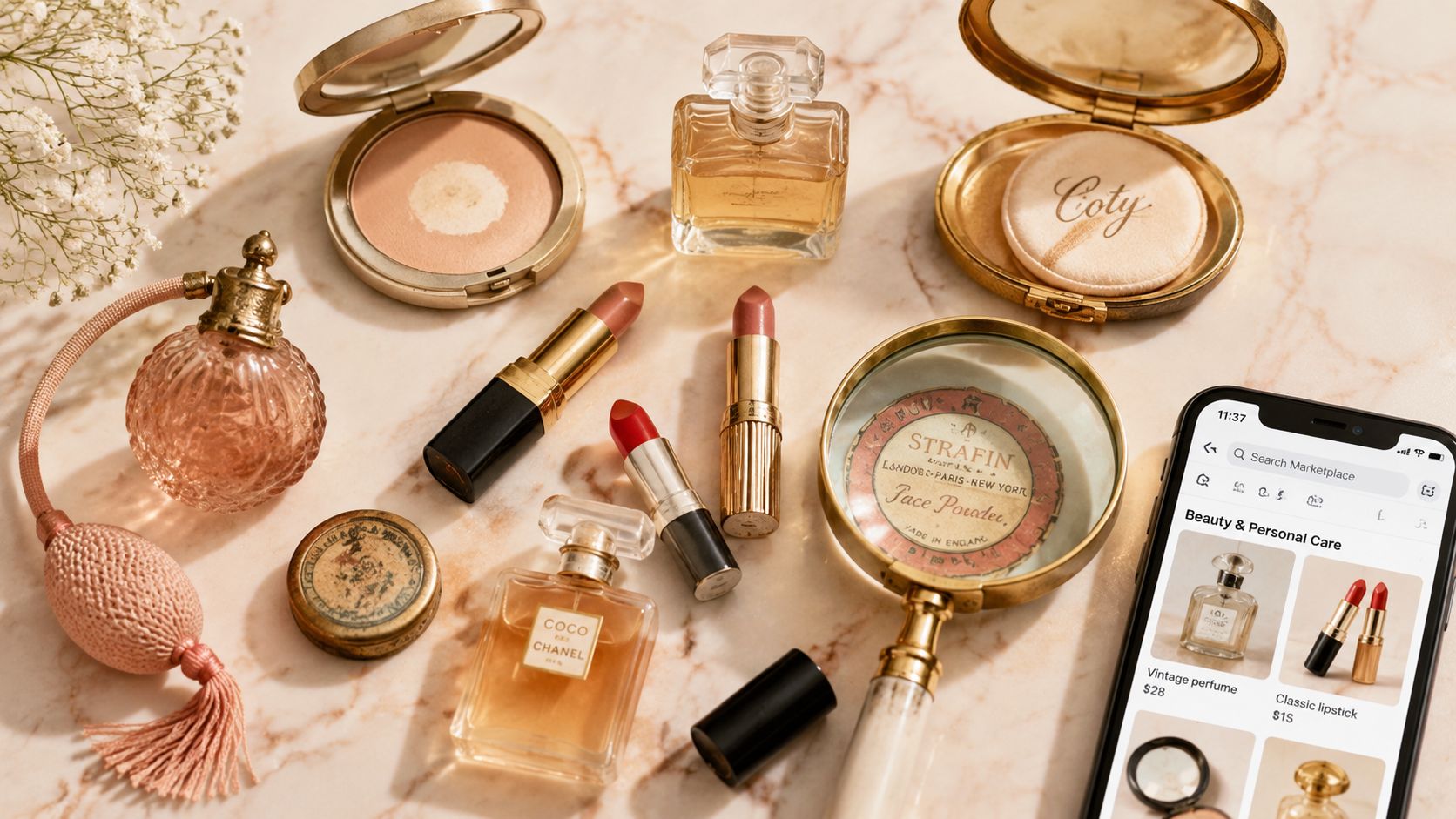
You're scanning a shelf, estate sale tote, or liquidation box and spot an older MAC compact, a retired Clinique set, or a discontinued fragrance flanker. The problem isn't finding one odd item. The problem is deciding fast whether it's real, sellable, and worth tying up cash in. That's where most “where to buy discontinued beauty products” guides fall apart. They're written for nostalgic shoppers, not for resellers who need margin, velocity, and fewer returns.
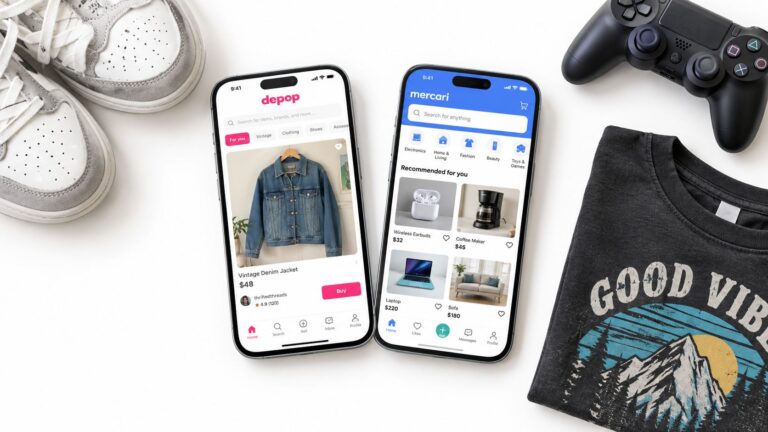
The resale side of beauty is active because discontinued inventory doesn't vanish when brands stop producing it. It shifts into secondhand and closeout channels, especially marketplaces like eBay, Depop, and Poshmark, while some brands still offer short-term recovery options through their own programs and last-chance sections (industry overview of discontinued beauty channels). That gives resellers multiple sourcing paths, but not all of them are equal.
For flipping, the workflow matters as much as the source. You need to identify the exact item, check batch codes, compare sold comps across platforms, and calculate net profit after fees and shipping before you buy. That's where a tool like ScanFlip AI fits the stack. It helps you move from “I think this might be good” to “buy” or “pass” without opening six apps and doing manual math.
This list keeps it practical. No hype. Just the places that matter, what they're good for, and where they can burn you.
Table of Contents
- 1. eBay
- 2. Poshmark
- 3. Mercari
- 4. Amazon
- 5. The Cosmetics Company Store
- 6. Glambot
- 7. DiscontinuedBeauty.com
- 8. FragranceNet
- 9. FragranceX
- 10. Beauty Encounter
- Top 10 Sources for Discontinued Beauty Products
- Final Thoughts
1. eBay
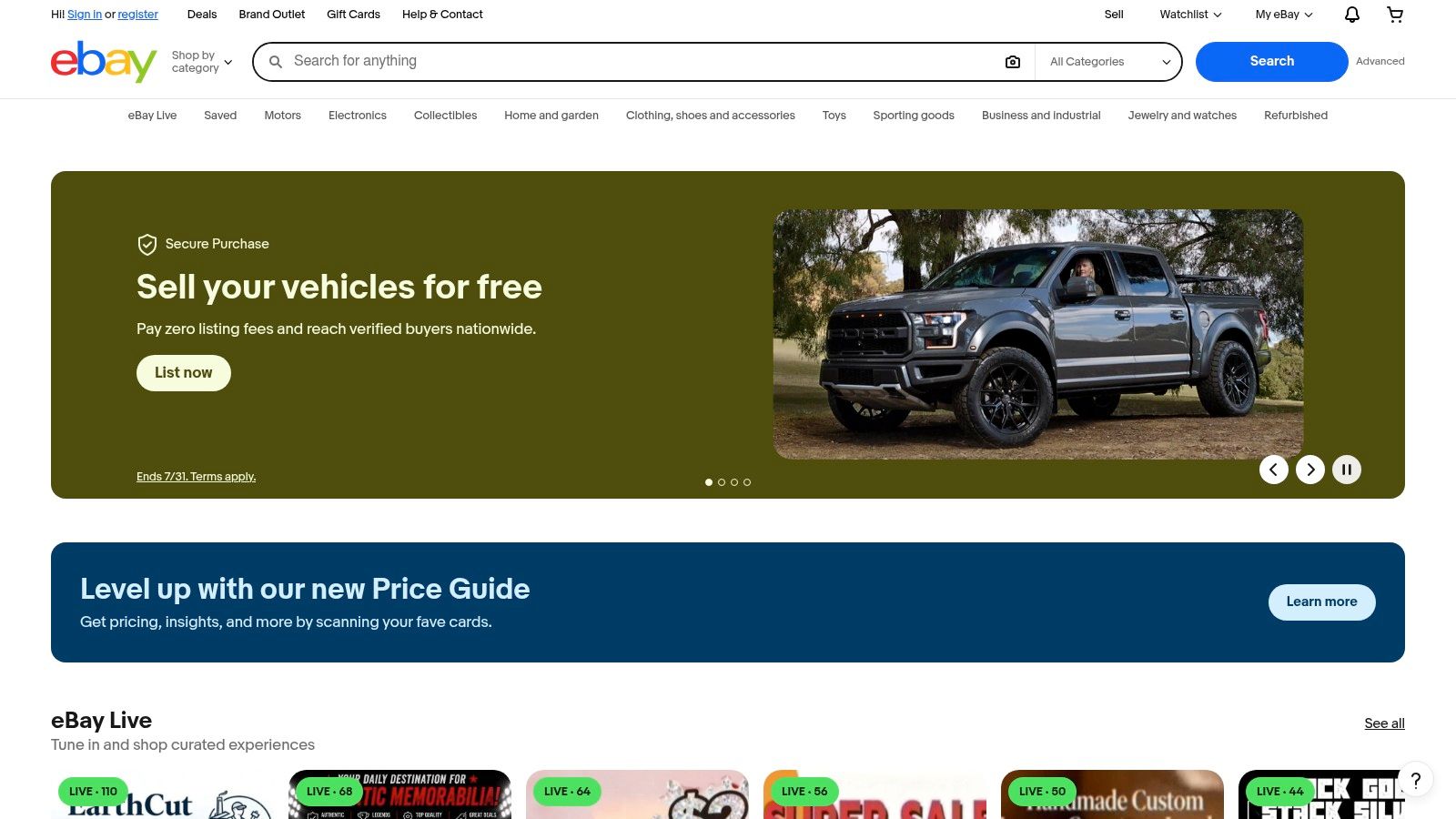
If you resell discontinued beauty, eBay is still the first place to check. It has the broadest mix of sealed old stock, gift sets, prior packaging runs, salon leftovers, tester inventory, and random vanity cleanouts. When someone wants a specific MAC shade, an older Bobbi Brown compact, or a retired fragrance bottle, eBay is usually where the trail starts.
It also anchors the wider discontinued beauty resale ecosystem. General marketplaces like eBay sit at the center of where retired items show up once they leave stores, which is why so many direct-buy opportunities eventually end up there (overview of resale channels for discontinued beauty).
Why eBay still leads
The biggest advantage is comps. You can search by shade name, packaging variation, lot size, and condition, then sanity-check asking prices against eBay sold listings for beauty resellers. For discontinued inventory, that matters more than retail memory. Nostalgia pricing traps newer sellers all the time.
A few practical rules help:
- Search exact identifiers: Use shade names, collection names, and packaging clues, not just the product line.
- Favor sealed inventory: Beauty buyers are picky, and your return risk drops fast when the item is clearly unopened.
- Read photos like a hawk: Factory seals, batch labels, and box wear all affect value.
Practical rule: On eBay, the listing title gets you in the door. The photos decide whether the item is actually flippable.
The downside is consistency. Seller quality varies, authenticity varies, and used cosmetics can trigger policy or buyer-trust issues. eBay is excellent for sourcing, but only if you treat every listing like a mini inspection.
2. Poshmark
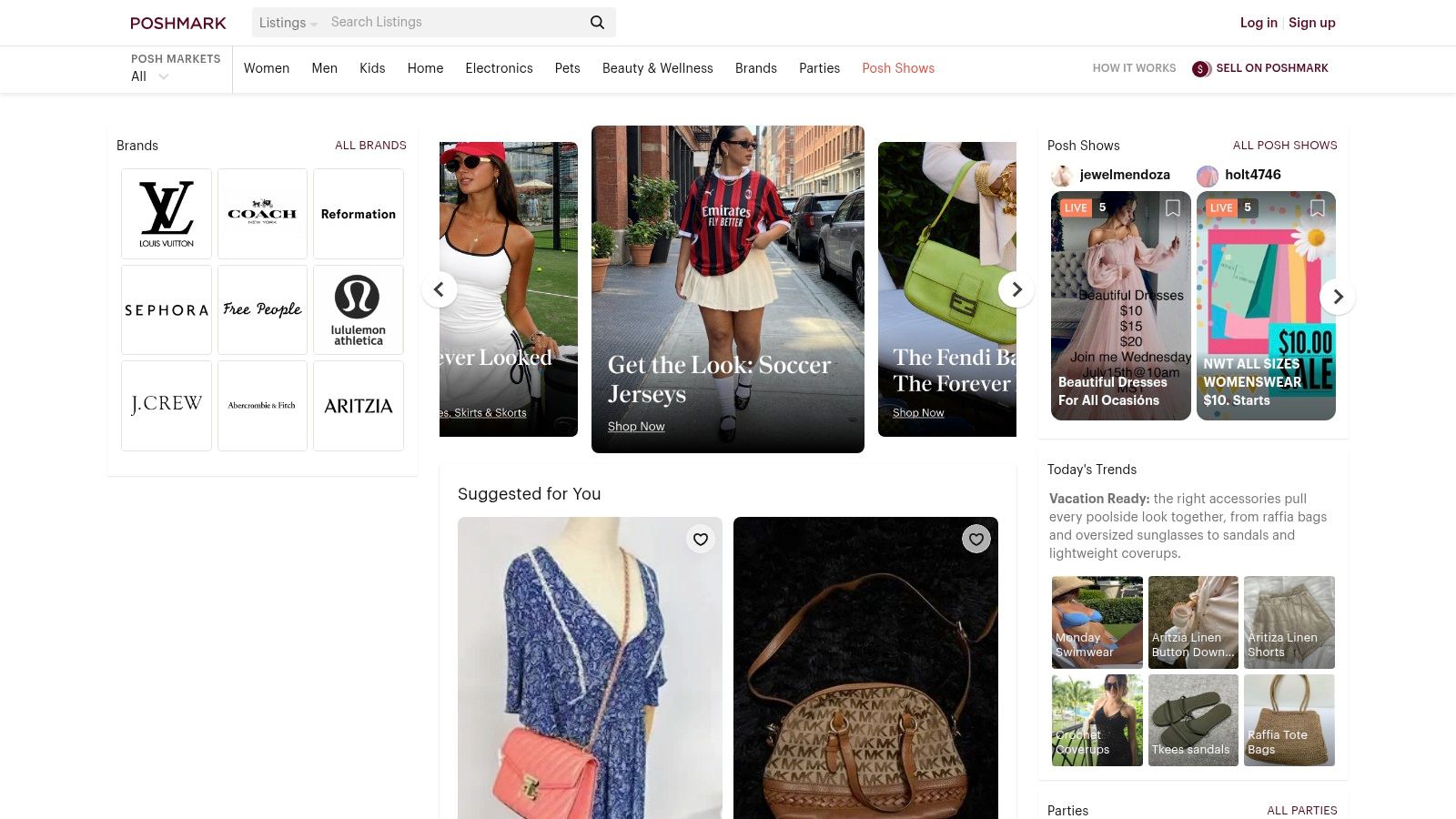
Poshmark is stronger for discontinued beauty than a lot of resellers admit. It isn't just a fashion app anymore. It's a steady source for sealed makeup, skincare bundles, gift sets, and older prestige products from sellers clearing out personal stock or boutique overflow.
The platform works best when you're hunting color cosmetics and boxed sets rather than trying to source deep vintage inventory. For discontinued shades, especially from brands with loyal followings, Poshmark can undercut eBay because many casual sellers price for speed, not market precision.
Where Poshmark works best
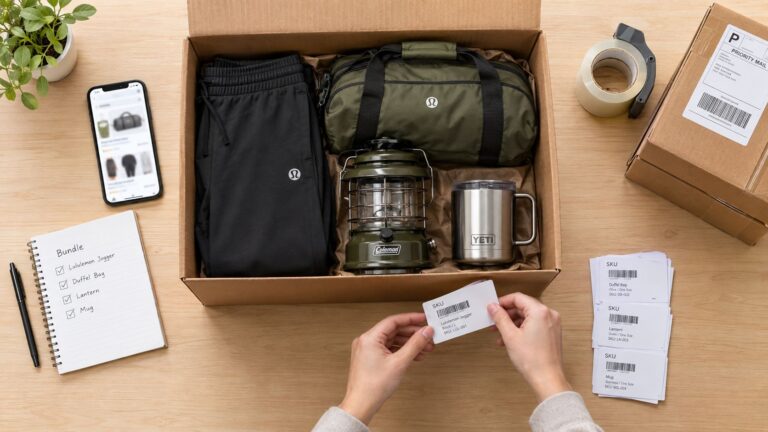
Poshmark is a bundling machine. If one seller has three related items from the same line, your unit cost can improve fast. That matters when you're buying discontinued makeup for resale and need enough spread after shipping and fees. If you want a broader workflow for finding this category, ScanFlip's guide to discontinued makeup for sale is a useful companion.
What works:
- Closet clear-outs: Great for lightly aged but sealed inventory from non-professional sellers.
- Gift sets: Good way to break bundles into individual listings.
- Brand loyalist stock: Repeats from Clinique, MAC, Bobbi Brown, and similar lines show up often.
What doesn't:
- Loose search terms: If you don't know the exact shade or collection name, you'll miss good listings.
- Questionable condition notes: If the seller is vague, assume more risk, not less.
Buyer psychology on Poshmark is different from eBay. A seller may accept an offer simply because they want the closet space back.
That's the edge. Poshmark rewards patient searching and sharp offer discipline.
3. Mercari
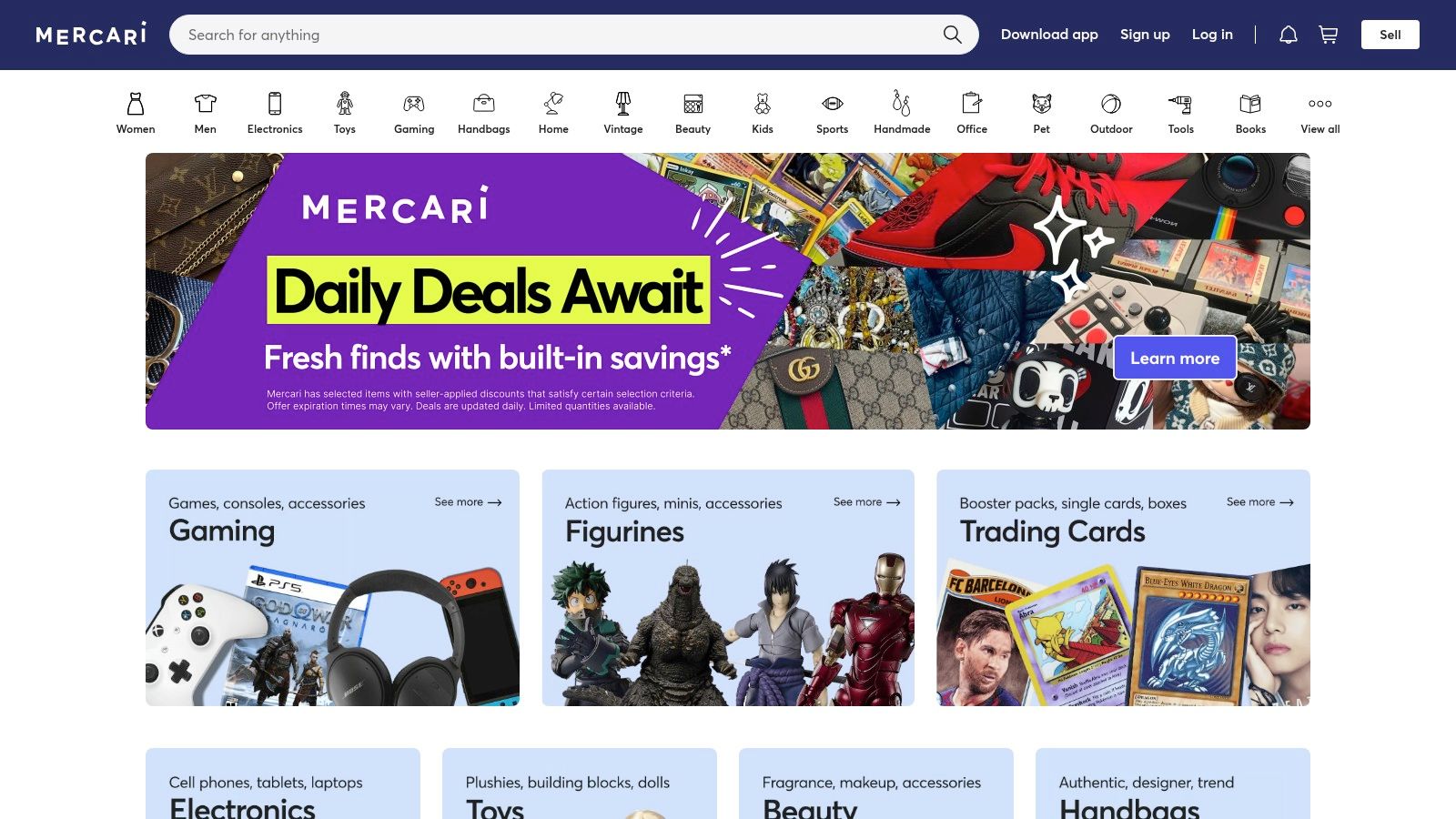
Mercari is one of the better places to source overlooked beauty lots from casual sellers. It regularly surfaces backstock, duplicate gifts, older packaging, and category bundles where the seller doesn't fully understand what they have. For a reseller, that inefficiency is useful.
Mercari tends to reward fast recognition. You'll see vague titles, weak photos, and mixed lots that include one discontinued item carrying most of the resale value. That's where image-based identification and cross-platform comps can save time, especially if you're checking likely resale value before sending an offer. For broader category tactics, ScanFlip's discontinued cosmetic products guide lines up well with how Mercari sourcing works in practice.
How to buy safely on Mercari
Mercari is not the place to get lazy about condition. Opened beauty has a short useful life, and the practical shelf-life rules matter. Unopened items shouldn't be kept for more than about 3 years, lipstick stays usable for about 2 years after opening, and mascara lasts only about 4 months once opened, which is why checking batch codes is essential (beauty shelf-life and discontinued purchase risks).
Use a simple filter before you buy:
- Batch code visible: If not, ask.
- Seal status clear: If not, skip.
- Packaging matches known release: If not, verify harder.
- Return path acceptable: If not, lower your offer or walk.
Mercari can be a great buy channel for discontinued beauty products. It can also become a pile of low-grade inventory if you start excusing bad photos and fuzzy descriptions.
4. Amazon
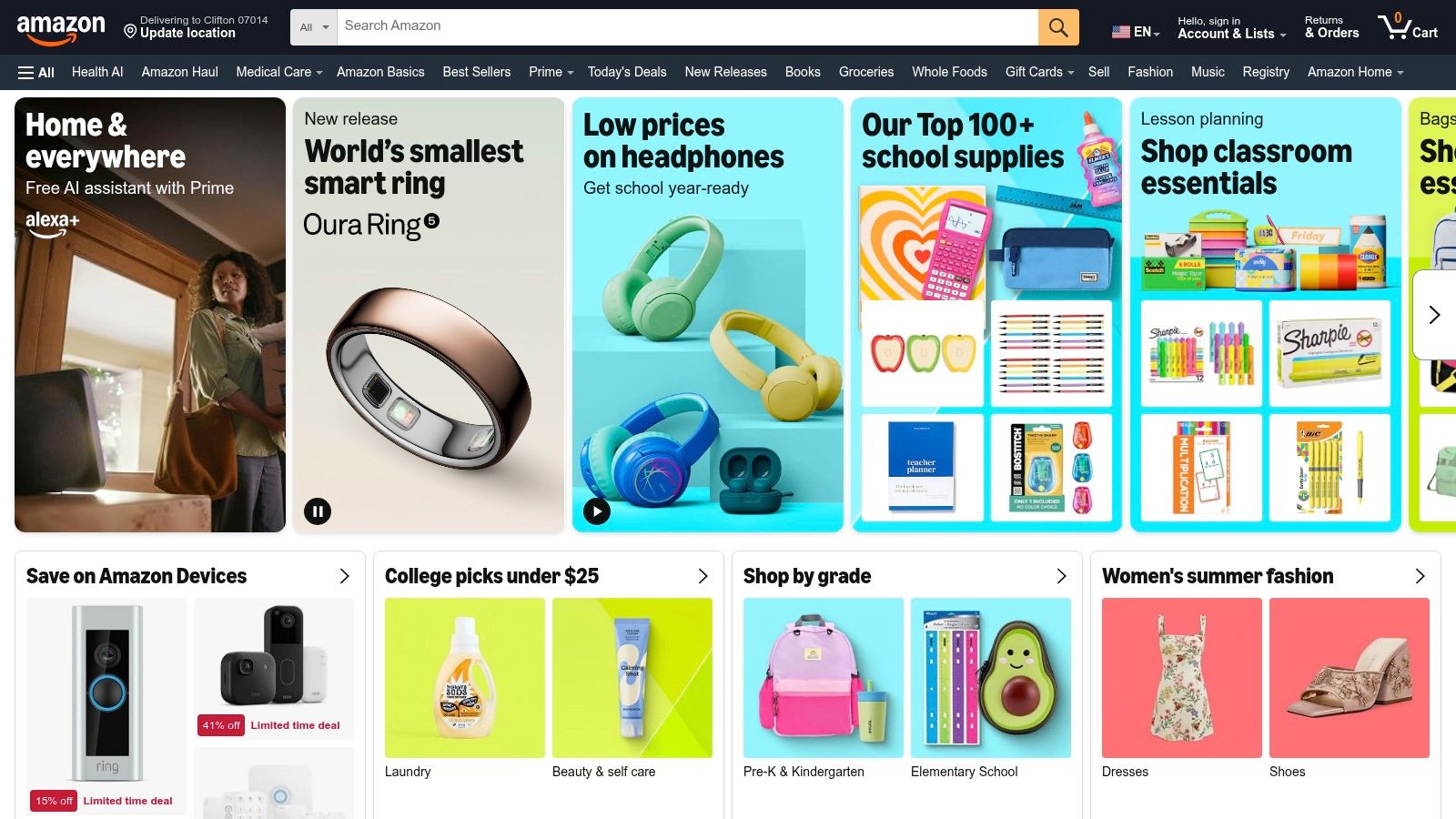
Amazon works best when you need to make a fast yes-or-no buy call on a discontinued SKU with existing demand. A reseller scans a listing, sees a familiar shampoo line or fragrance gift set, and has a short window to decide whether the price still leaves room after fees, shipping, and return risk. Amazon supports that kind of speed better than treasure-hunt marketplaces, but only if you stay strict on the buy box, seller quality, and product condition.
For discontinued beauty, Amazon is usually stronger in replenishable categories than in collectible ones. Haircare, skincare, and fragrance show up more often in usable volume. Rare makeup shades are harder to source well here because listings often collapse multiple versions into one ASIN, and that creates mistakes around color, packaging run, or formula variation.
Best use case for Amazon
Amazon is a sourcing channel for resellers who already know the SKU and want confirmation fast. I use it for products with established search demand, standardized packaging, and enough sales history to comp across marketplaces quickly. If you run the listing through ScanFlip AI first, you can identify the exact product from the photos, compare likely resale value across platforms, and estimate net profit before you tie up cash in inventory that only looks cheap.
The risk is listing ambiguity. Counterfeits, old stock, commingled inventory problems, and vague condition notes can turn an apparently safe buy into a return, an authenticity complaint, or dead inventory. Amazon has also published its own anti-counterfeit policy and enforcement framework, which tells you the problem is serious enough to require platform-level controls (Amazon's anti-counterfeiting policy).
Use a tighter screen here than you would on mass retail closeouts:
- Seller track record: Prefer sellers with deep feedback history in beauty, not general liquidation accounts with mixed categories.
- Condition detail: "New" is not enough. Check for seal language, box condition, and whether the photos match the current listing.
- ASIN accuracy: Verify shade, size, and packaging generation. One bad ASIN merge can wipe out margin.
- Profit after friction: Account for Amazon pricing volatility, inbound shipping to you, buyer expectations, and returns.
- Exit path: Know whether you plan to resell on Amazon, eBay, or elsewhere before you buy.
Amazon rewards discipline, not curiosity. If the listing is clean, the seller is credible, and the spread still works after a real profit check, buy it. If you have to talk yourself into a vague beauty listing on Amazon, pass.
5. The Cosmetics Company Store
You walk into a mall outlet, scan a boxed MAC shade that disappeared from Sephora months ago, and realize the spread still works after fees. That is the appeal of The Cosmetics Company Store. For resellers who know Estée Lauder Companies brands, it can be a clean sourcing channel for end-of-line inventory without the usual authenticity headaches.
The inventory mix is narrow, but the provenance is strong. You are buying from an outlet tied to the brand group, so the upside is obvious: fewer counterfeit concerns, fewer tampering questions, and fewer buyer messages asking whether the product is real. That matters more in prestige beauty, where one authenticity dispute can wipe out the profit from several good flips.
The trade-off is speed and selectivity. You will not build a whole sourcing operation around this store alone. You are hunting specific winners from brands like MAC, Clinique, Bobbi Brown, and Tom Ford Beauty, then moving fast when the numbers support the buy. For resellers using a tighter workflow, this is a strong place to pair shelf sourcing with ScanFlip AI. Scan the item, confirm exactly which packaging version you have, pull cross-platform comps, and check net profit before you commit cash.
A few patterns make this source worth watching:
- Recent discontinuations sometimes surface here first: Brand-controlled channels can still move product after it leaves primary retail.
- Older packaging can help sell-through: Some buyers want the version they already know, not the latest reformulation.
- Store-to-store variation is real: One location may be dead inventory. Another may have a profitable pocket of shades or sets.
- Margins can disappear fast: Outlet pricing is not automatically reseller-friendly, especially on products with weak secondary demand.
The mistake is assuming every prestige item here is flip-worthy because it looks scarce. Scarcity without demand is just expensive shelf stock. Check sold comps, not active listings. Account for platform fees, shipping, and the fact that discontinued beauty buyers can be picky about box wear and batch age.
Used well, The Cosmetics Company Store is a selective source for clean inventory and fast turns on the right SKUs. Used lazily, it becomes a place to overpay for products that feel special and sit for months.
6. Glambot
Glambot is a different kind of source. It sits between standard resale and curated secondary inventory, which makes it useful for discontinued palettes, collaboration drops, and cult shades that don't show up consistently through mainstream channels. If you know how to grade condition-based resale value, Glambot can produce inventory that's hard to replace elsewhere.
Its appeal is transparency. Condition is part of the listing logic, not an afterthought. That's especially useful when you're considering discontinued products with collector appeal rather than simple replacement demand.
When Glambot makes sense
This platform works best when rarity matters more than pristine box condition. Some buyers care most about having the exact item. Others won't touch anything that isn't sealed. Your resale audience decides whether a sanitized or tested item is viable.
Some discontinued beauty buyers are buying memory, not just utility. That can support a sale. It can also create higher expectations on condition.
The practical trade-off is simple:
- Good buy from Glambot: A known cult item with visible demand and enough margin after fees.
- Bad buy from Glambot: A semi-rare item priced near what sealed stock sells for elsewhere.
- Best use: Palette and color-cosmetic gaps where standard marketplaces have inconsistent listing quality.
Glambot isn't where you build a whole business. It's where you plug inventory holes with items that are otherwise annoying to source.
7. DiscontinuedBeauty.com
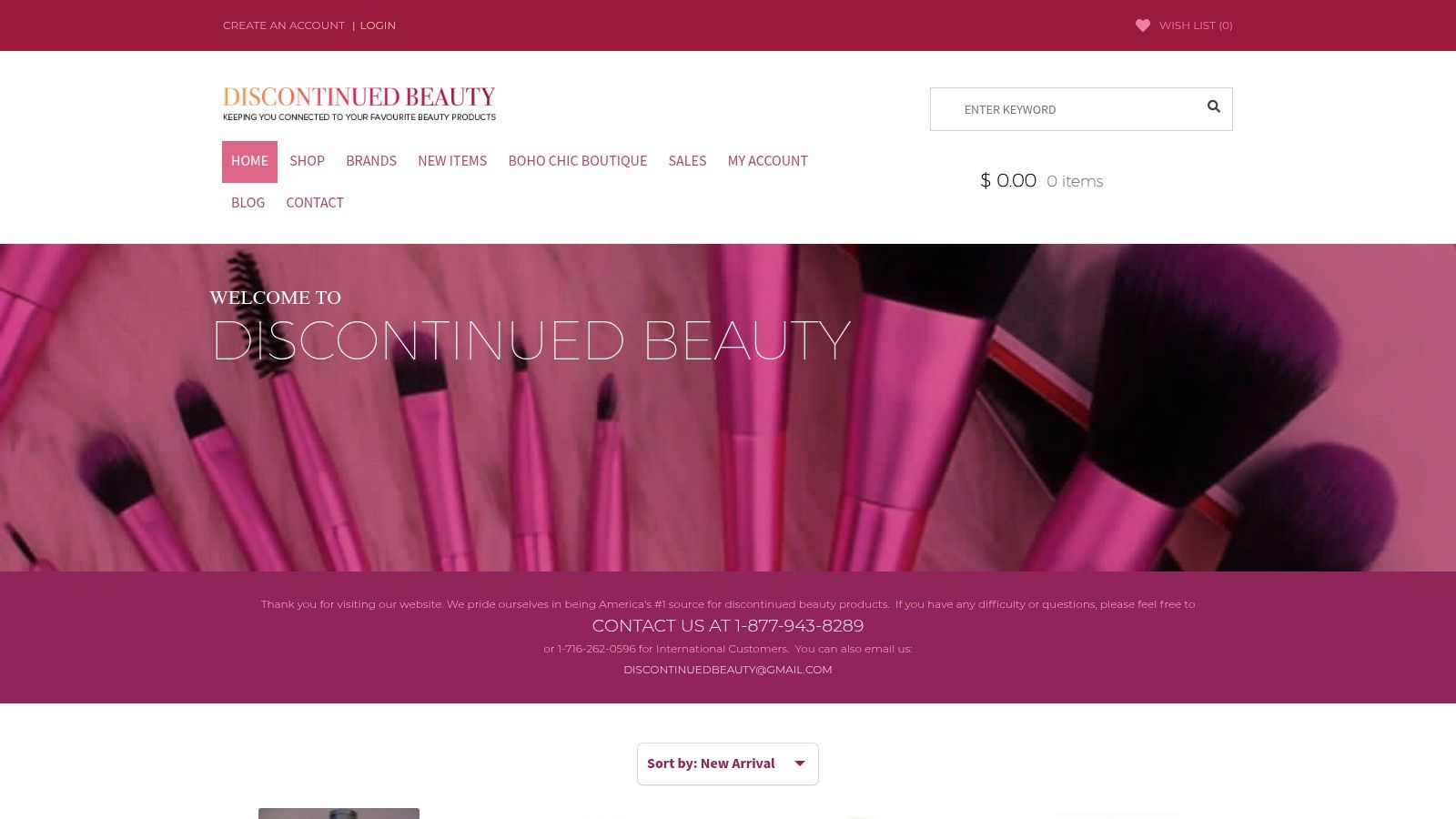
DiscontinuedBeauty.com works best when you already have a target SKU and need a faster answer than marketplace hunting. A reseller sees this kind of site after a familiar moment. A buyer asks for a retired Redken formula, a salon-only treatment, or a shade that vanished two years ago. eBay is messy, Amazon is thin, and you need to know within minutes whether the buy still leaves room after fees and shipping.
That is the true value here. It cuts down search noise.
For resellers, this is less of a discovery platform and more of a precision sourcing stop. The catalog focus can save time on haircare, salon products, and select cosmetics that tend to get buried on broad marketplaces. If you use ScanFlip AI in your workflow, this is the kind of source where it helps most. You can identify the exact product variation, check sold comps across marketplaces, and estimate net profit before you commit to a niche item with slower turnover.
Where it fits in a reseller workflow
DiscontinuedBeauty.com makes the most sense for replacement-demand inventory. Buyers hunting an old shampoo, treatment, or styling product often care more about exact match than packaging aesthetics. That is different from collector-driven makeup, where box condition and presentation can move the price.
A few practical uses:
- Haircare reorders: Repeat-use products can produce steadier demand than one-off novelty buys.
- Low-noise verification: If a product appears here, that helps confirm it still circulates in the secondary market.
- Targeted gap sourcing: Useful when you already know the item sells and standard platforms are thin or cluttered.
- Fast comp checks: Pull the item into ScanFlip AI, compare active and sold listings, then decide whether the spread supports resale after platform fees.
The trade-off is straightforward. Specialty discontinued sites often price in scarcity early. That means the buy only works if your exit channel still has enough headroom. I would not browse this site casually looking for surprises. I would go in with a product name, a comp range, and a stop-buy number.
Use it as a sniper tool, not a sourcing habit.
8. FragranceNet
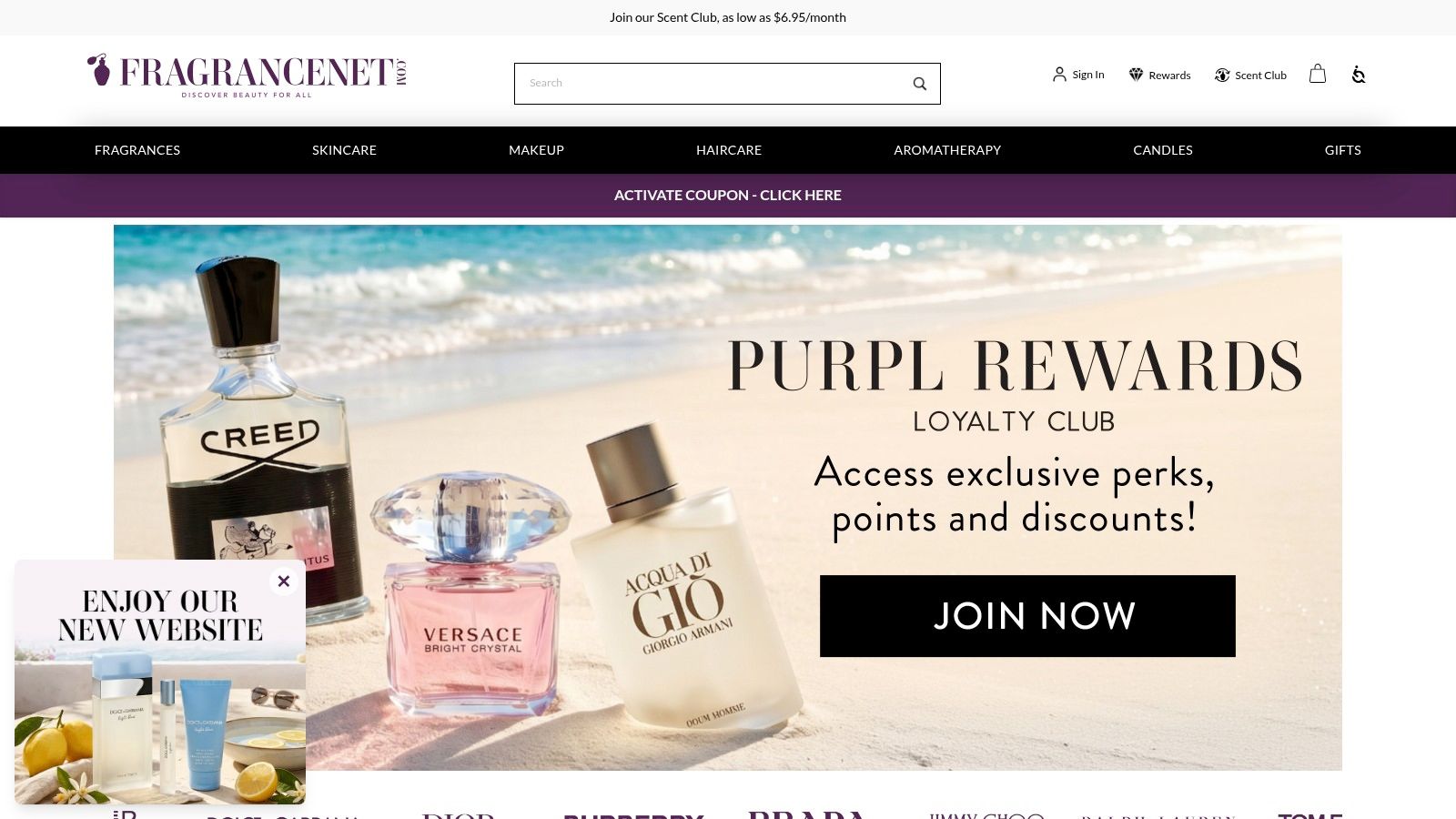
A reseller spots a discontinued fragrance with active demand, but the main marketplaces are full of messy listings, bad photos, and vague titles. FragranceNet is useful in that gap. It gives you a cleaner buying environment for retired scents, flankers, and tester inventory, especially when you want fewer variables before you run comps.
What makes it practical for resale is the format discipline. Fragrance buyers search exact names, concentrations, bottle sizes, and tester status. That precision helps if you buy the right variant. It also punishes sloppy sourcing. A 3.4 oz EDT tester and a sealed 1.7 oz EDP can sit in completely different price bands even when the fragrance name is the same.
I use FragranceNet as a validation source, not a place to guess. Pull the item into ScanFlip AI, confirm the exact variation, compare sold comps across marketplaces, then run net profit after shipping and fees. That matters more in fragrance than many new resellers expect because the wrong concentration or presentation can erase margin fast.
A few cases where FragranceNet earns a spot in the workflow:
- Known discontinued SKUs: Best for fragrances with proven replacement demand or collector demand.
- Tester sourcing: Useful if your buyer base accepts unboxed inventory and the spread still works.
- Variant verification: Helps confirm bottle size, concentration, and naming before you buy.
- Faster buy decisions: Cleaner listings make it easier to compare against cross-platform comps and set a stop-buy price.
The trade-off is simple. FragranceNet is usually easier to source from than peer-to-peer marketplaces, but that convenience can compress your upside. If the site already reflects scarcity pricing, resale only works when your exit channel still has enough room after fees, shipping, and returns risk.
Treat it like a disciplined buy list source. Go in with exact SKUs, comp ranges, and a target margin. If the numbers miss, pass.
9. FragranceX
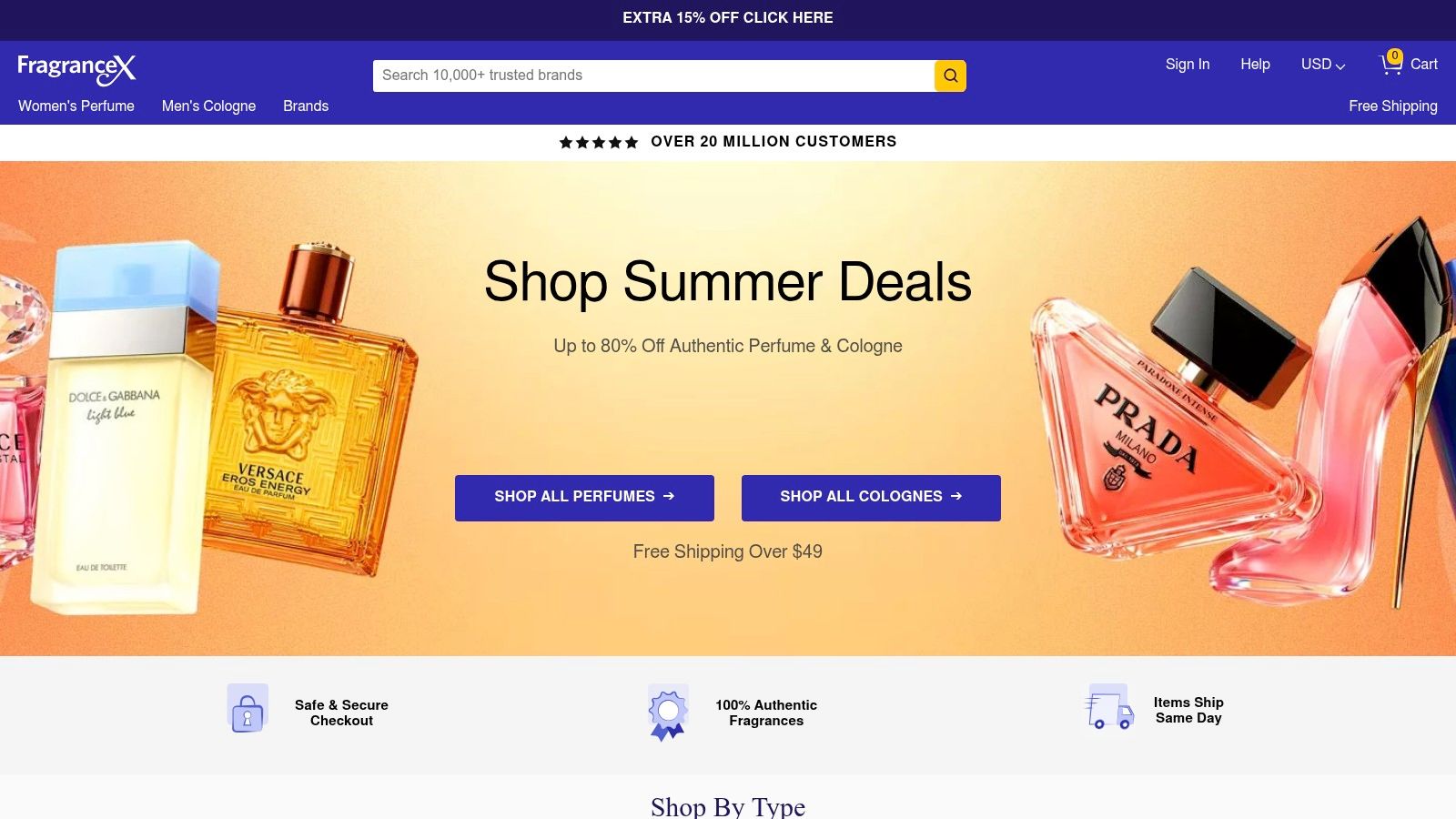
A reseller spots a retired fragrance on FragranceX, sees a price that looks workable, and buys too fast. Then the comp check shows the profitable demand was for a different size, an older box style, or a sealed retail unit instead of a tester. That mistake is common. FragranceX can produce inventory, but only if you verify the exact SKU before you commit cash.
I use FragranceX as a gap-finder. It earns a place in the workflow when other channels are out of stock, when one discounter has a better price on a specific concentration, or when I need a clean listing to confirm what I am looking at. For discontinued fragrance, that matters because relaunches are uncommon and resale inventory often stays in circulation longer than standard retail stock.
How to use FragranceX profitably
FragranceX works best inside a fast verification process. Pull the listing into ScanFlip AI, identify the exact bottle, compare sold comps across marketplaces, then calculate net profit after fees, shipping, and return risk. That sequence keeps you from buying a bottle that looks scarce but does not move well.
A few situations where FragranceX is useful:
- Cross-checking availability: Good for confirming whether a discontinued fragrance is still obtainable from a major discounter.
- Variant cleanup: Helpful when you need to separate EDT from EDP, retail box from tester, or one size from another before comping.
- Price discipline: Useful for setting a maximum buy price based on real resale margins instead of instinct.
- Faster sourcing decisions: Clean product pages make it easier to verify details and move on quickly if the spread is weak.
The trade-off is margin compression. FragranceX is usually easier and safer than sourcing from individual sellers, but that convenience often shows up in the asking price. If the site has already priced in scarcity, the resale spread can disappear once you run the full numbers.
Treat FragranceX as a confirmation source with occasional buying opportunities. If ScanFlip AI shows strong sell-through, accurate variant alignment, and enough net profit after costs, buy. If any of those pieces are off, pass.
10. Beauty Encounter
Beauty Encounter is a good fallback when the bigger marketplace and fragrance-first routes come up empty. It carries beauty categories beyond perfume, which makes it more useful for resellers who cross over into skincare, makeup, and haircare.
This is the kind of source that helps complete a buy list. You don't always start here, but it can produce the item that's sold out elsewhere, especially when you're dealing with older packaging runs or hard-to-find closeouts.
Where Beauty Encounter fits
Beauty Encounter is also a reminder that buying discontinued beauty for profit is not the same thing as finding discontinued beauty for yourself. A lot of buying guides focus on locating inventory and ignore profitability. That leaves resellers exposed, because sold prices on discontinued cult items can swing hard based on batch code and expiration concerns, and generic sourcing advice doesn't account for fees or shipping when deciding whether a purchase is a flip or a loss (profitability gap in discontinued beauty sourcing advice).
That's why this site is best used with a tighter workflow:
- Identify exact item
- Pull cross-platform sold comps
- Estimate net after fees and shipping
- Buy only if the spread survives real costs
Beauty Encounter can absolutely work for resellers. It just needs disciplined buying more than bargain optimism.
Top 10 Sources for Discontinued Beauty Products
| Marketplace | Best for | Unique selling points | Availability & price | Key considerations |
|---|---|---|---|---|
| eBay | Collectors & resellers seeking exact SKUs and vintage | Massive global listings; powerful completed/sold history for comps | Very wide selection; prices vary from bargain to premium | Condition/authenticity vary; used cosmetics restricted |
| Poshmark | Social shoppers and closet-clearout buyers of sealed/NWT items | Social bundles, offers, platform-managed shipping | Good supply of NIB/NWT; frequent bundle discounts | Emphasizes new items; search may need brand/variant savvy |
| Mercari | Casual sellers and bargain hunters for closeouts/older runs | App-first UX, easy labels, hazmat guidance for beauty | Regular closeouts and older batches; variable pricing | Automated policy enforcement; vet authenticity & expirations |
| Amazon (Marketplace & Warehouse) | Buyers wanting fast fulfillment and returns | Third‑party + Warehouse breadth; streamlined returns on eligible items | Convenient shipping; hit-or-miss for truly discontinued SKUs | Fluctuating selection; must vet sellers and special return rules |
| The Cosmetics Company Store | Shoppers of Estée Lauder Co. brands seeking brand-direct finds | Brand-direct outlet with clearance and reliable provenance | Frequent markdowns on last-chance items; limited to EL brands | Limited brand coverage; inventory turns quickly; some deals store-only |
| Glambot | Collectors of discontinued palettes and sanitized used makeup | 5-step authentication & sanitization; condition grading | Curated supply of cult/vintage shades; pricing can be high for rares | Some buyers avoid sanitized used makeup; rare items may be near/above retail |
| DiscontinuedBeauty.com | Shoppers focused on salon/haircare and niche discontinued stock | Purpose-built catalog organized by brand and legacy items | Focused niche selection; scarcity can drive up prices | Inventory limited to sourced stock; quick sell-through |
| FragranceNet | Fragrance hunters seeking retired scents and flankers | Dedicated "Discontinued" boutique; frequent promos | High chance to find retired perfumes; discount pricing common | Batch/availability variation; popular items sell fast |
| FragranceX | Global fragrance discounter with authenticity guarantee | Wide catalog, global shipping, 100% authenticity promise | Competitive discounts; broad SKU coverage | Availability fluctuates; mixed customer anecdotes, check policies |
| Beauty Encounter | Buyers wanting an alternative source for hard-to-find beauty | Broad beauty coverage and focus on discontinued items | Useful when other discounters are out; variable pricing | Stock and pricing fluctuate; confirm shipping & return terms |
Final Thoughts
If you're serious about where to buy discontinued beauty products for resale, stop thinking in terms of “best site” and start thinking in terms of source type. Marketplaces like eBay, Poshmark, and Mercari are where you'll find the broadest and weirdest supply. Brand-adjacent outlets like The Cosmetics Company Store reduce authenticity risk. Niche retailers like DiscontinuedBeauty.com help when broad search gets noisy. Fragrance-focused discounters matter if perfume is part of your lane.
None of these sources work well if your process is loose. Discontinued beauty punishes lazy buying. Shelf life matters. Batch codes matter. Packaging details matter. Buyer trust matters even more, because the person buying a retired MAC shade, an older Clinique formula, or a discontinued fragrance is usually buying something specific. If you ship the wrong version, an opened item, or stock that's too old to be useful, they won't care that it was hard to find.
The edge is speed plus discipline. You need to know what the item is, whether it's safe to sell, what it sells for now, and what you'll net after fees and shipping. That's the difference between sourcing a nice-looking discontinued product and sourcing inventory that belongs in your cart.
A few final rules keep the category profitable:
- Stay biased toward sealed inventory: It's easier to list, easier to defend, and easier to sell.
- Don't trust nostalgia pricing: A beloved product is not automatically a profitable one.
- Treat batch codes as part of value: They're not just for safety. They affect buyer confidence.
- Know your subcategory: Makeup, fragrance, skincare, and salon haircare behave differently.
- Use multiple channels: Good inventory migrates. If you only check one site, you'll miss supply.
For most resellers, the smartest stack looks like this: source from one of the marketplaces or specialty sites above, verify condition and age, then run comps across several marketplaces before you buy. That's especially important in beauty because prices can look strong at first glance while net profit disappears once platform fees, shipping, and return risk enter the picture.
This category is still worth playing. Buyer loyalty to specific formulas, shades, and scents keeps demand alive long after retail ends. But the money is in disciplined sourcing, not in collecting interesting products. Buy what you can identify, verify, and exit cleanly.
If you want faster buy-or-pass decisions while sourcing discontinued beauty, use ScanFlip AI. It helps resellers identify items from photos, pull sold comps across marketplaces like eBay, Poshmark, Mercari, Amazon, and more, then calculate expected net profit after fees and shipping. For beauty flips, that means less guessing, fewer bad buys, and a much quicker answer on whether that retired palette, sealed lipstick lot, or discontinued fragrance is worth your cash.